Agricultural Grade Urea 46%
- Granular or prilled · 46% N
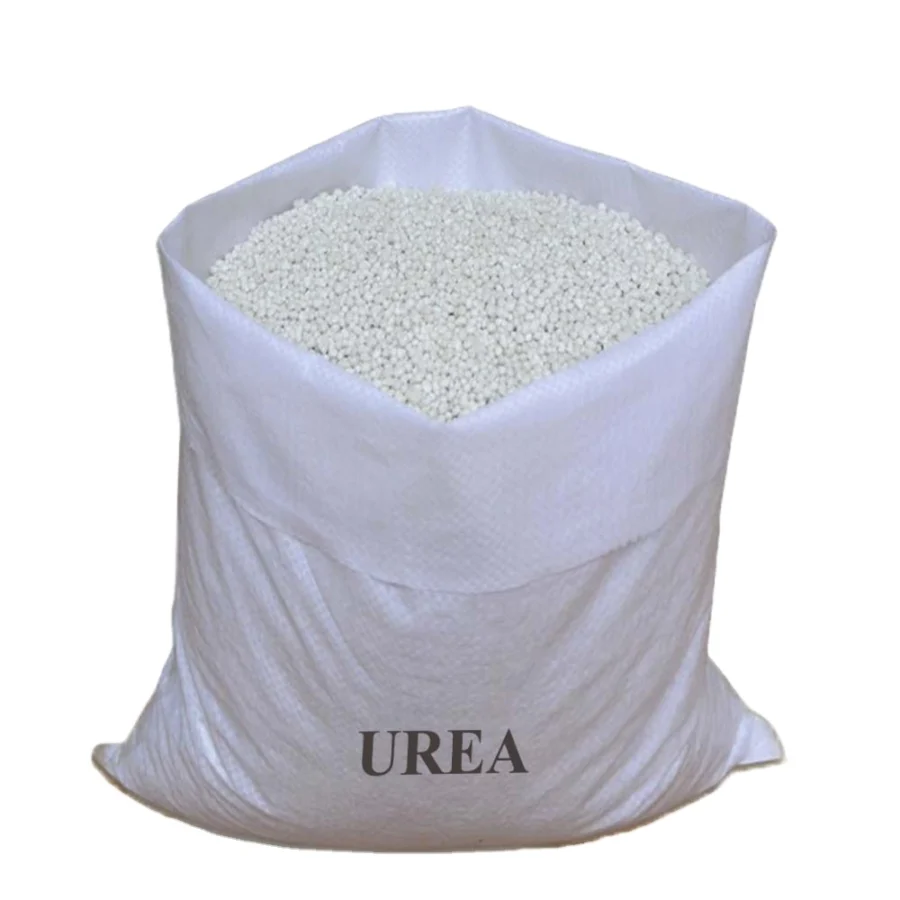
The highest-analysis solid nitrogen fertilizer in common use, and the backbone of most nitrogen programmes worldwide.
Higher-purity urea for industrial use, where low biuret and tight moisture control matter more than nitrogen content.
| Total nitrogen (N) | 46.0% min |
|---|---|
| Biuret | 0.6% max |
| Moisture | 0.3% max |
| Ash | 0.01% max |
| Free ammonia | 0.015% max |
| Iron (Fe) | 5 ppm max |
Technical grade urea is the same molecule as the agricultural product, sold to a tighter specification. Nitrogen content is unchanged at 46%; what buyers are paying for is what has been kept out.
The controlling parameters are biuret, moisture, ash, free ammonia and iron. In urea-formaldehyde resin production, in melamine manufacture and in a range of chemical syntheses, those impurities affect reaction behaviour and finished product quality in ways that a field never notices.
Technical grade is supplied uncoated, which means it is more prone to caking than treated agricultural material. Storage needs to be genuinely dry and sealed, and stock rotation matters.
Tell us the process you are feeding and the specification your quality system requires, and we will confirm whether we can meet it before quoting. See also agricultural grade urea.
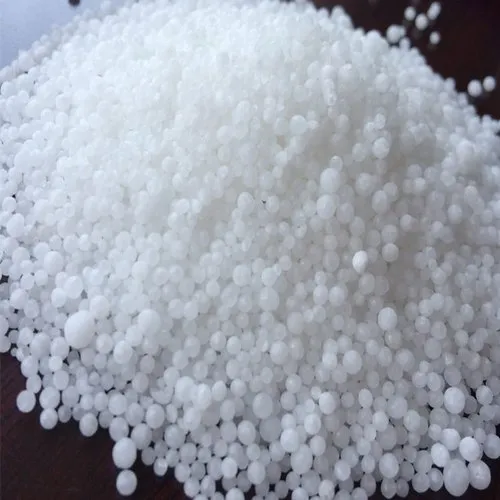
| Appearance | White crystalline solid or prills, uncoated |
|---|---|
| Solubility & handling | Very highly soluble. Supplied uncoated, so it must be kept sealed and dry. |
| Packaging | Standard export formats — confirm available pack sizes when you enquire |
| Common crops | Not an agricultural product — industrial and manufacturing use |
Used as a raw material in urea-formaldehyde resins, melamine production, adhesives, laminates and a range of chemical processes. Not intended for field application.
General guidance only. Application rates depend on crop, growth stage, soil and water analysis and local regulations — always follow the product label and your own agronomic advice.
The nitrogen content is the same. What changes is purity: lower biuret, lower moisture, lower ash and iron, and no anti-caking coating, because coatings would contaminate an industrial process.
Anti-caking agents are fine in a field but become an impurity in resin or melamine manufacture. Uncoated material needs correspondingly better storage.
Chemically yes, but you would be paying a purity premium for no agronomic benefit. Use agricultural grade for field application.
Tell us the quantity, packaging and destination and we will come back with availability and pricing.
Contact Us on WhatsAppSend a written enquiryThe highest-analysis solid nitrogen fertilizer in common use, and the backbone of most nitrogen programmes worldwide.
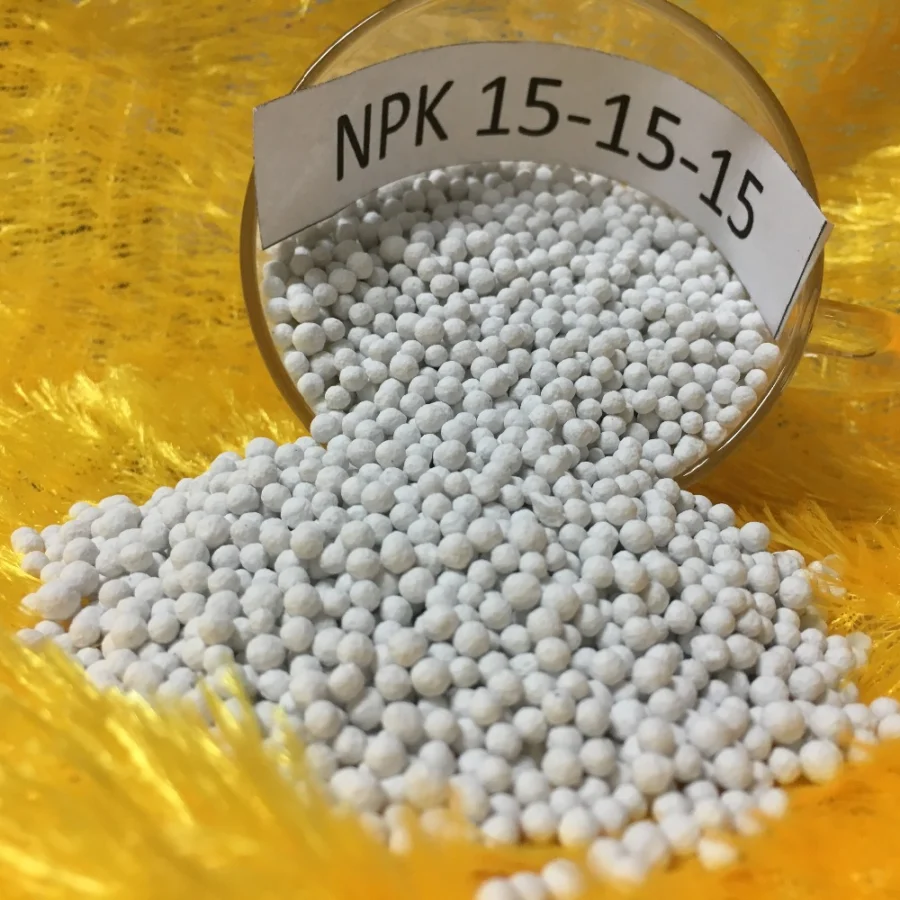
The classic balanced base fertilizer — one granule carrying all three major nutrients, applied at sowing across almost any crop.
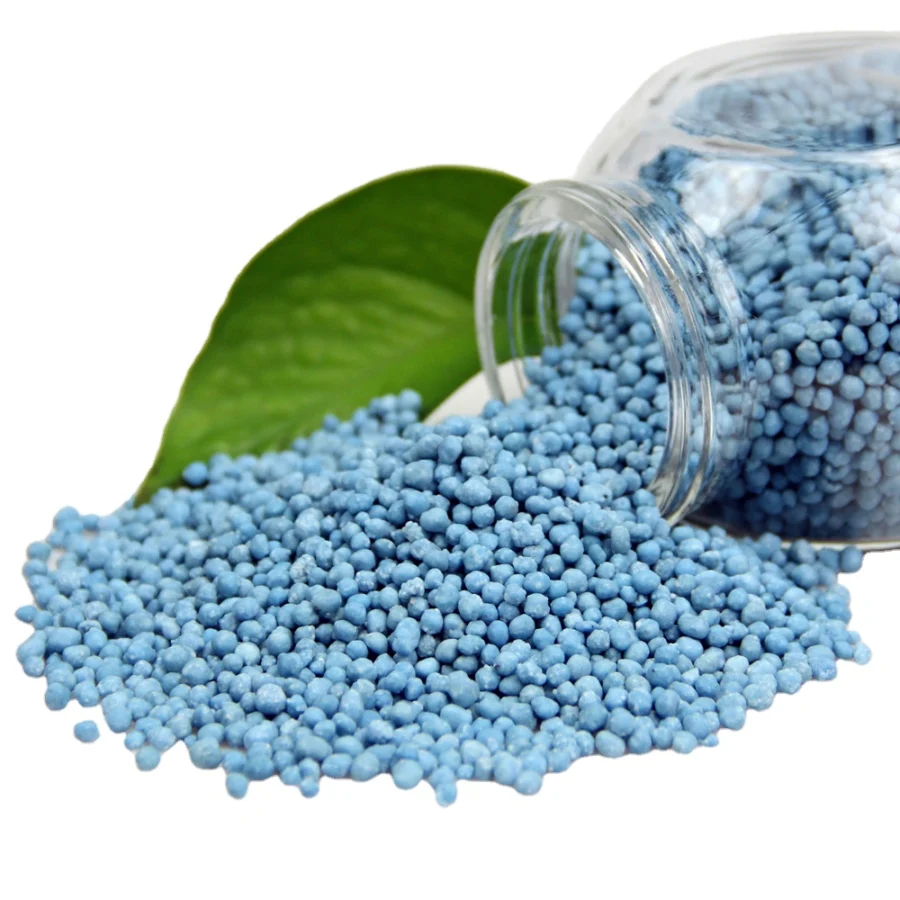
A balanced, fully soluble NPK with trace elements — the general-purpose grade for vegetative growth and for programmes that need one product…
Send your product, grade, quantity and destination. We will come back with availability, packaging options and a quotation.