Technical Grade Urea
- Crystalline / prilled · industrial purity
Higher-purity urea for industrial use, where low biuret and tight moisture control matter more than nitrogen content.
The highest-analysis solid nitrogen fertilizer in common use, and the backbone of most nitrogen programmes worldwide.
| Total nitrogen (N) | 46.0% min |
|---|---|
| Biuret | 1.0% max |
| Moisture | 0.5% max |
| Particle size (granular) | 2 – 4 mm typical |
| Colour | White |
| Solubility in water (20 °C) | Approx. 1,080 g/L |
Urea is the most widely used solid nitrogen fertilizer in the world, and the reason is arithmetic: at 46% N it carries more nitrogen per tonne than any other solid, which makes it the cheapest way to move nitrogen from a factory to a field.
That concentration is also what makes freight economics work on an international order. A lower-analysis nitrogen source means shipping considerably more material for the same nitrogen delivered.
Urea hydrolyses to ammonium carbonate in the soil, and if that happens on a warm, moist surface a meaningful share can be lost to the atmosphere as ammonia. Incorporation, irrigation within a day or two, or a urease inhibitor all reduce it. This is a management question rather than a product quality question — it applies to every manufacturer’s urea equally.
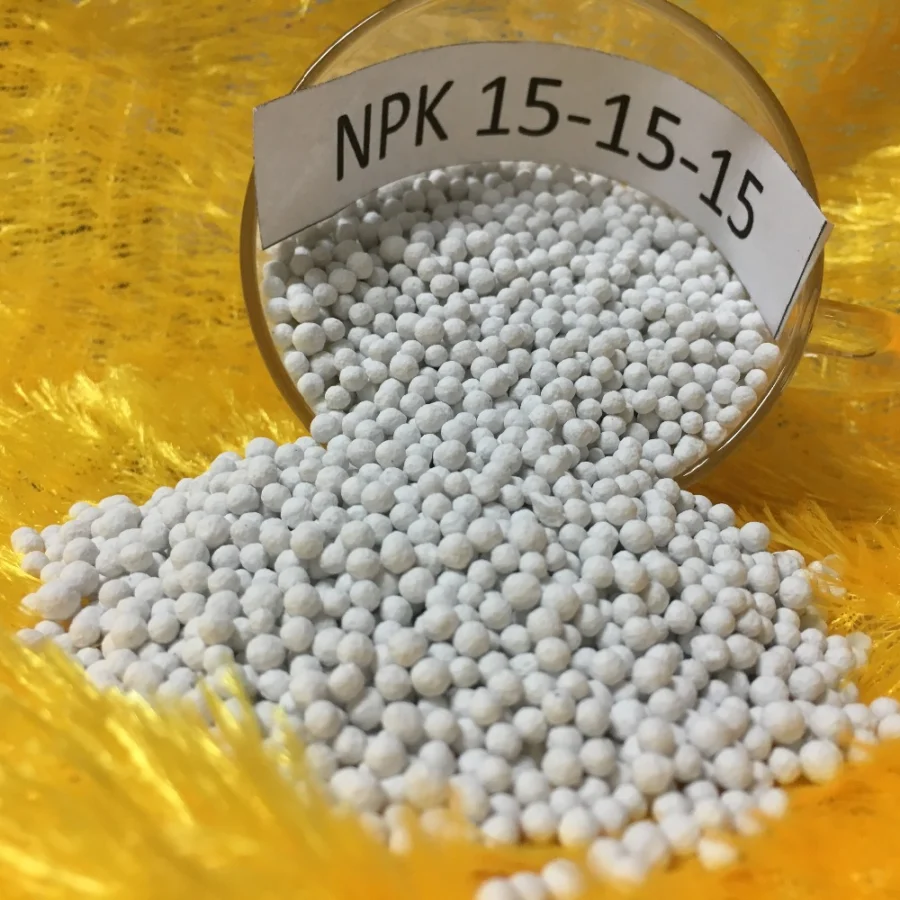
For nitrogen supplied alongside phosphate and potash in a single granule, see NPK 15-15-15. For a higher-purity urea for industrial use, see technical grade urea. Our guide to reading a fertilizer label explains how to compare cost per unit of nutrient across products.
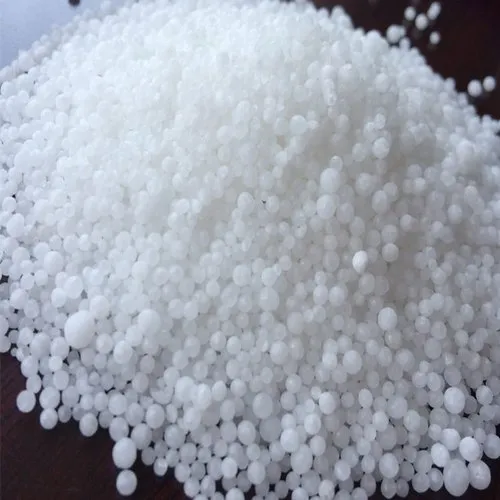
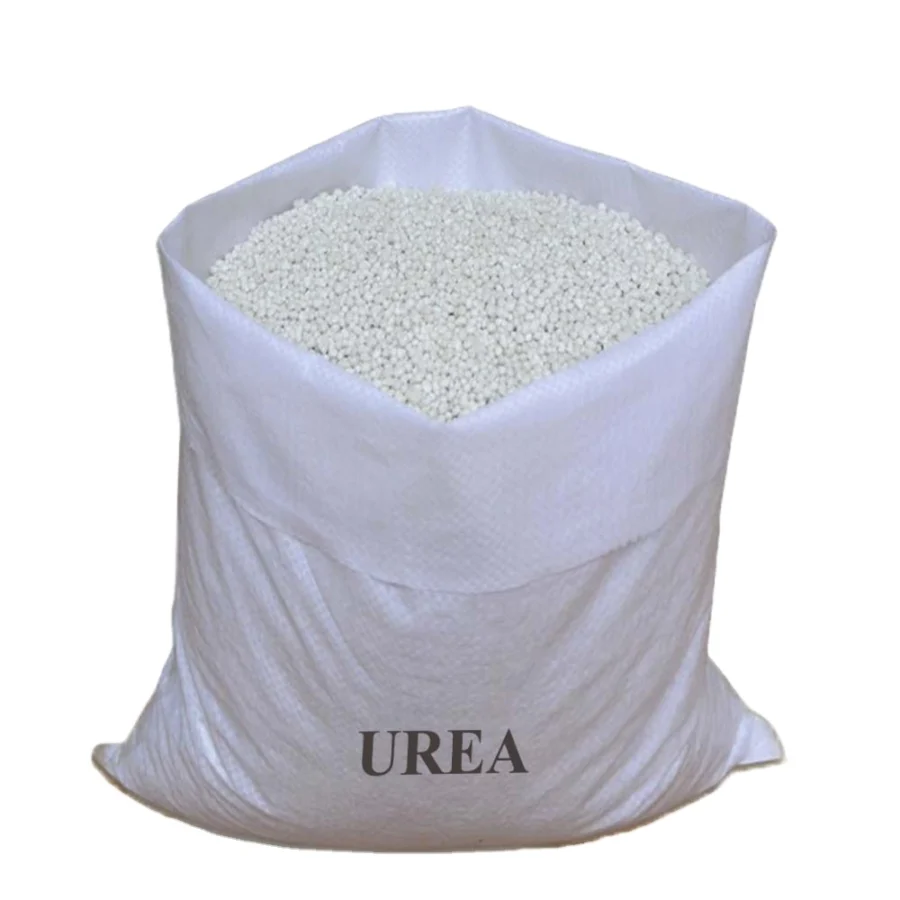
| Appearance | White granules or prills, free flowing, treated against caking |
|---|---|
| Solubility & handling | Very highly soluble. Hygroscopic — store sealed and dry, away from direct sunlight. |
| Packaging | Standard export formats — confirm available pack sizes when you enquire |
| Common crops | Cereals, maize, rice, sugarcane, cotton, vegetables, pasture |
Broadcast, banded or dissolved for fertigation, usually in split applications through the growing season. Incorporate or irrigate in soon after application to limit volatilisation losses.
General guidance only. Application rates depend on crop, growth stage, soil and water analysis and local regulations — always follow the product label and your own agronomic advice.
Prills are smaller and formed by dropping molten urea down a tower; granules are larger, harder and less prone to breakdown, which makes them better suited to blending and mechanical spreading over wide bouts.
Biuret forms during manufacture and is phytotoxic at elevated levels, particularly in foliar sprays and on citrus. Agricultural grade is normally 1.0% max; for foliar use ask for a low-biuret grade.
Urea converts to ammonium and can volatilise as ammonia if it sits on a warm, moist surface. Incorporating it, irrigating within a day or two, or using a urease inhibitor all reduce that loss.
Tell us the quantity, packaging and destination and we will come back with availability and pricing.
Contact Us on WhatsAppSend a written enquiryHigher-purity urea for industrial use, where low biuret and tight moisture control matter more than nitrogen content.
The classic balanced base fertilizer — one granule carrying all three major nutrients, applied at sowing across almost any crop.
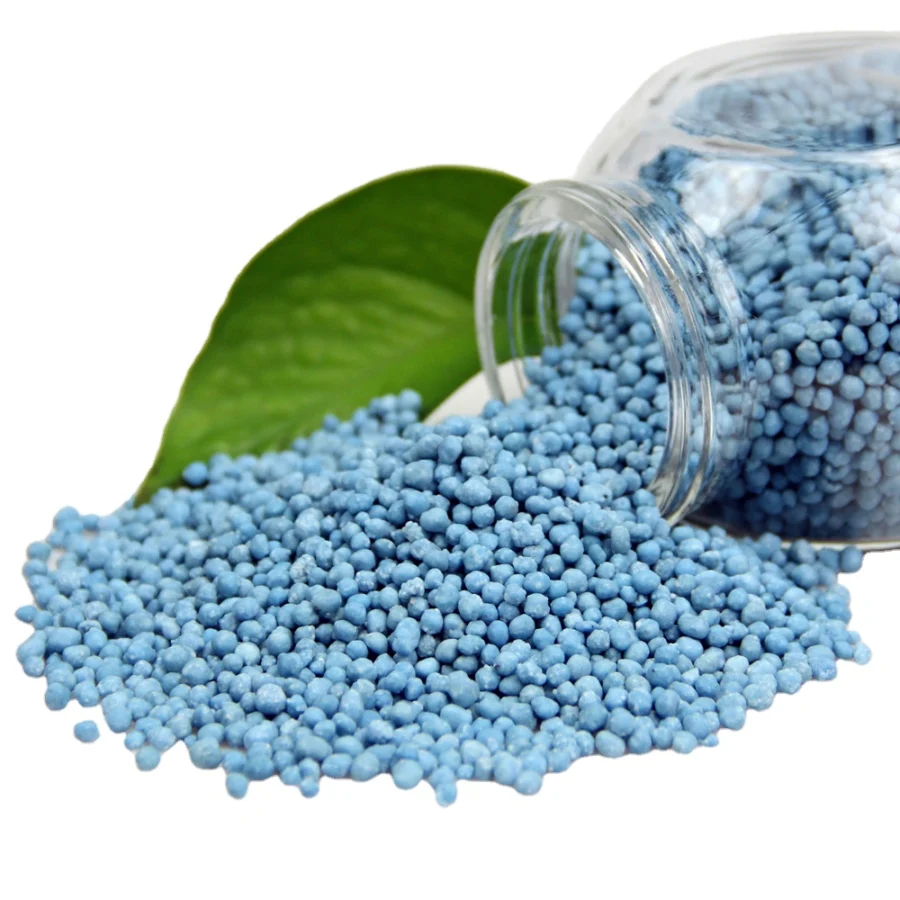
A balanced, fully soluble NPK with trace elements — the general-purpose grade for vegetative growth and for programmes that need one product…
Send your product, grade, quantity and destination. We will come back with availability, packaging options and a quotation.