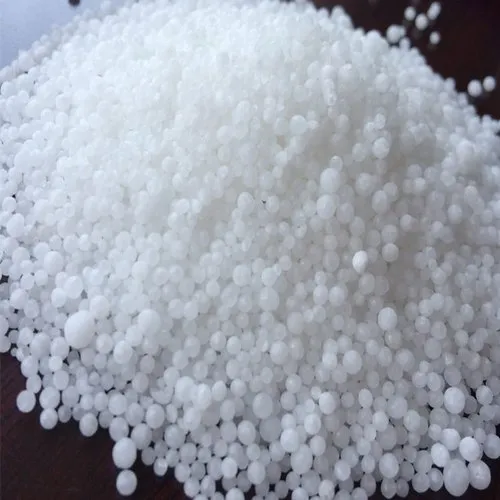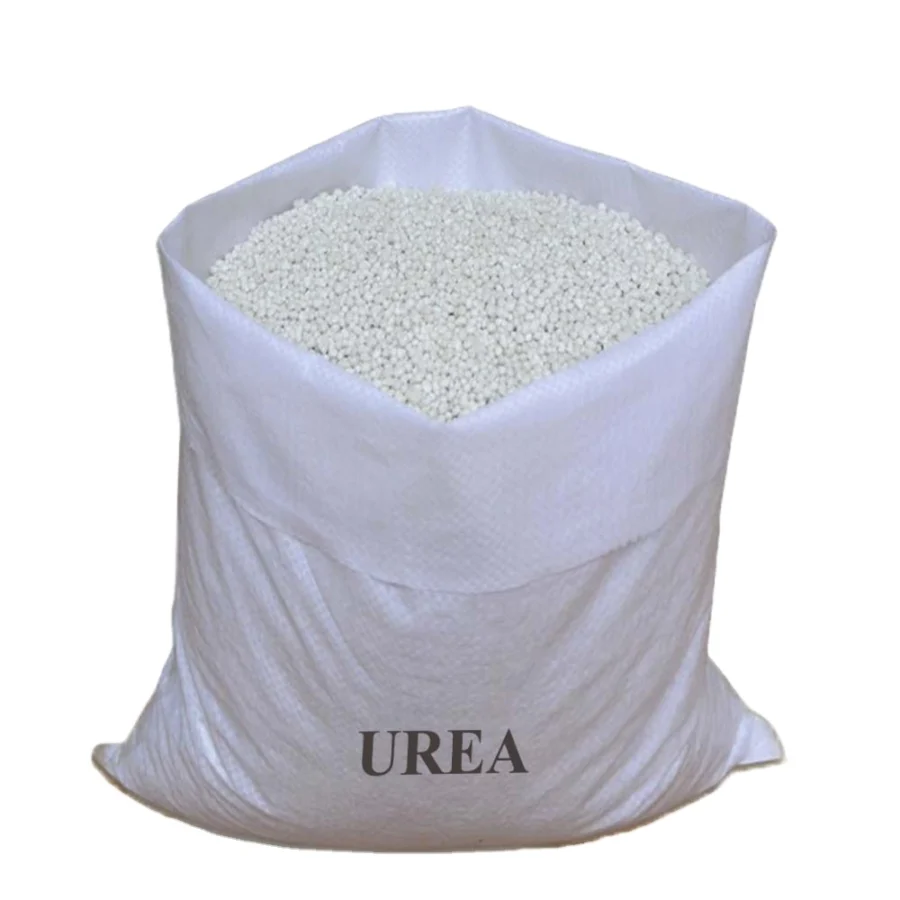
Agricultural Grade Urea 46%
- Granular or prilled · 46% N
The highest-analysis solid nitrogen fertilizer in common use, and the backbone of most nitrogen programmes worldwide.
The classic balanced base fertilizer — one granule carrying all three major nutrients, applied at sowing across almost any crop.
| Total nitrogen (N) | 15.0% |
|---|---|
| Ammoniacal nitrogen (N-NH₄) | Approx. 7.0% |
| Nitric nitrogen (N-NO₃) | Approx. 8.0% |
| ) | 15.0% |
| Potassium oxide (K₂O) | 15.0% |
| Sulphur trioxide (SO₃) | Typically present |
| Particle size | 2 – 4 mm typical |
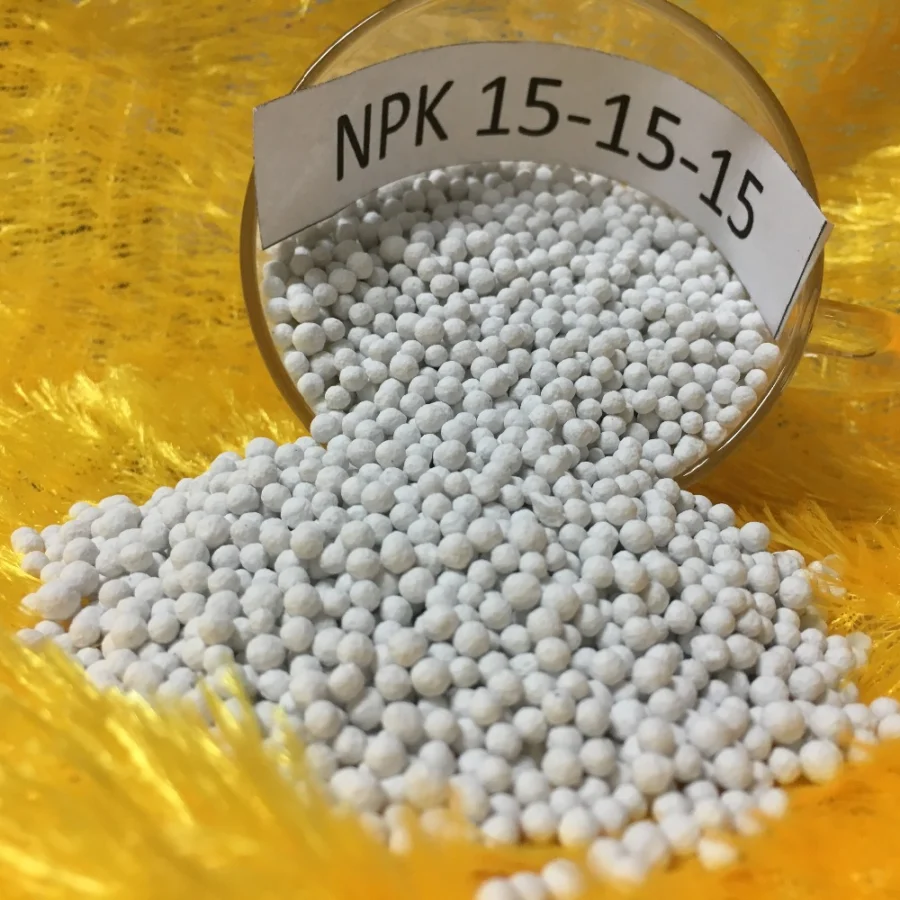
NPK 15-15-15 is the most widely used balanced compound fertilizer in the world, and its appeal is operational rather than agronomic: one product, one pass, all three major nutrients.
This is a genuine compound — every granule contains nitrogen, phosphate and potash, chemically combined during manufacture. That matters more than it sounds. A physical blend of three separate materials can segregate during handling, shipping and spreading, so different parts of the field receive different ratios. A compound cannot.
For an importer, this also means the material survives a long sea voyage and multiple handling points without changing.
As a base dressing before or at sowing, when a soil test does not point strongly in any one direction. Most programmes then top-dress nitrogen separately during the season — urea is the usual choice — and, for fruiting crops, add potassium as demand rises.
What a balanced ratio is not good at is matching a crop’s changing requirement. Potassium demand climbs steeply during fruit fill while nitrogen demand often falls — see NPK 11-8-34 + TE for that stage.
Our guide to reading NPK ratios explains how to compare this against straight fertilizers on cost per unit of nutrient.
| Appearance | White to pale grey granules, uniform size |
|---|---|
| Solubility & handling | Granular compound for soil application; not intended for drip fertigation. |
| Packaging | Standard export formats — confirm available pack sizes when you enquire |
| Common crops | Cereals, maize, vegetables, potatoes, sunflower, pasture, orchards |
Applied as a base dressing before or at sowing, broadcast and incorporated. Crops are normally top-dressed with a straight nitrogen source later in the season.
General guidance only. Application rates depend on crop, growth stage, soil and water analysis and local regulations — always follow the product label and your own agronomic advice.
In a compound, every granule contains all three nutrients because they are chemically combined during manufacture. In a blend, separate granules are mixed. Compounds cannot segregate in transit or spreading; blends can, which is why granule size matching matters so much in a blend.
15-15-15 is a granular soil product; 20-20-20 is a fully water-soluble grade for fertigation and foliar use. They are made differently and are not interchangeable.
Rarely for the whole season. It is a sensible base dressing when soil test results are unremarkable, but most crops need proportionally more potassium once fruiting begins.
Tell us the quantity, packaging and destination and we will come back with availability and pricing.
Contact Us on WhatsAppSend a written enquiryThe highest-analysis solid nitrogen fertilizer in common use, and the backbone of most nitrogen programmes worldwide.
Higher-purity urea for industrial use, where low biuret and tight moisture control matter more than nitrogen content.
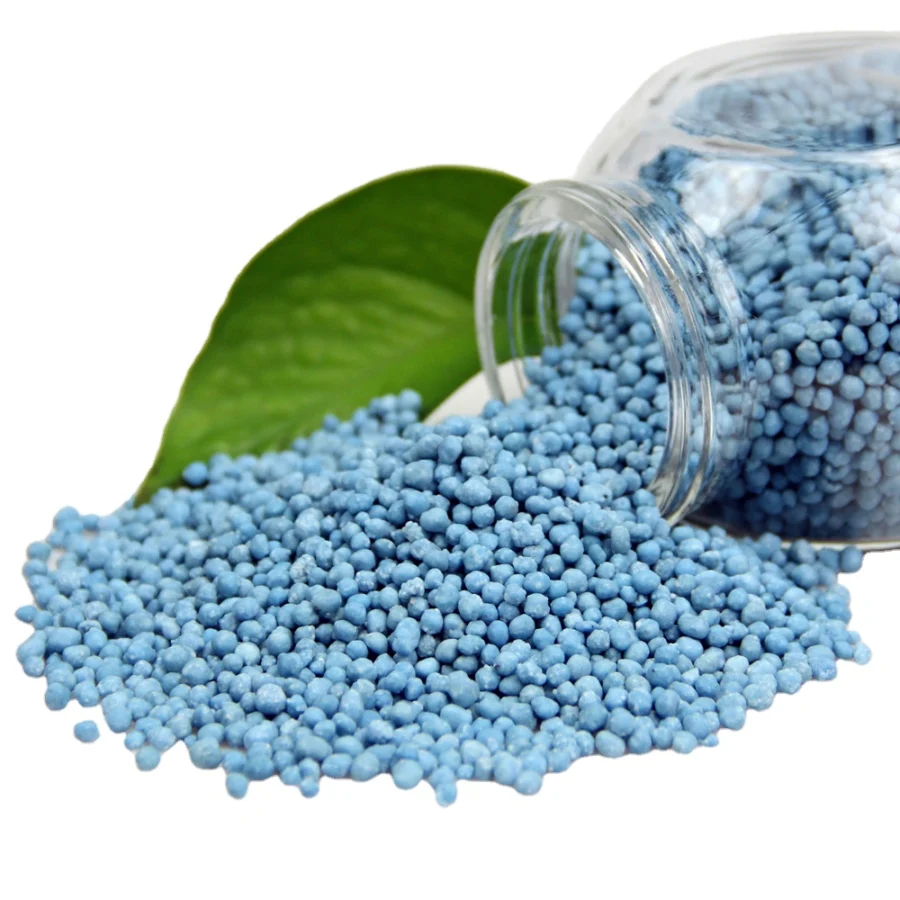
A balanced, fully soluble NPK with trace elements — the general-purpose grade for vegetative growth and for programmes that need one product…
Send your product, grade, quantity and destination. We will come back with availability, packaging options and a quotation.