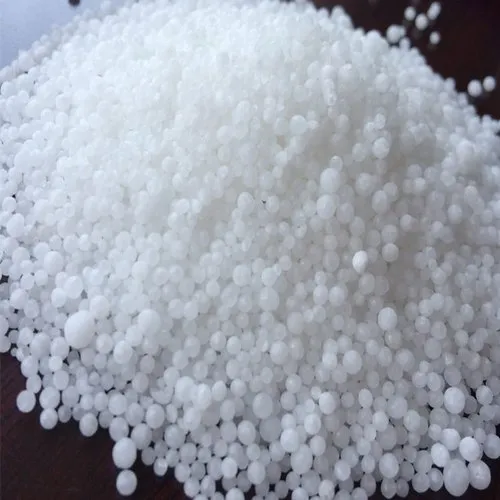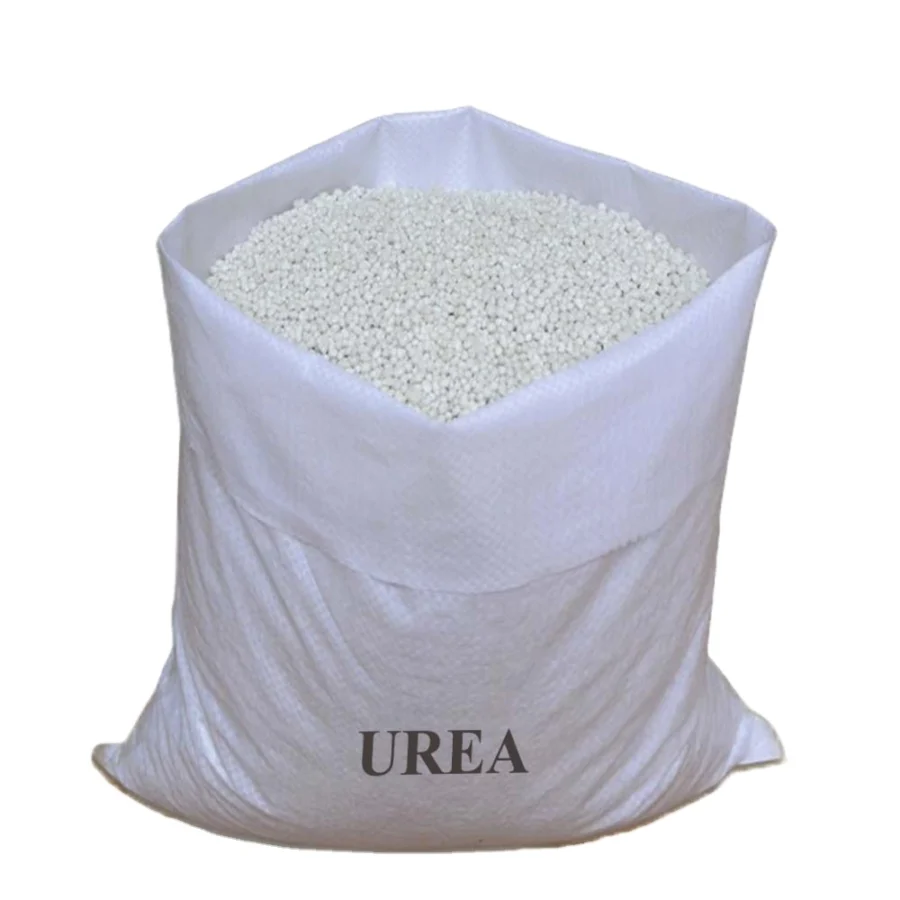
Agricultural Grade Urea 46%
- Granular or prilled · 46% N
The highest-analysis solid nitrogen fertilizer in common use, and the backbone of most nitrogen programmes worldwide.
Chloride-free potassium with added sulphur, and a lower salt index than chloride-bearing potash — the choice for sensitive crops and saline conditions.
| Potassium oxide (K₂O) | 50.0% min |
|---|---|
| Potassium (K) | Approx. 41.5% |
| Sulphur trioxide (SO₃) | 45.0% |
| Sulphur (S) | Approx. 18.0% |
| Chloride (Cl) | Typically below 1.5% |
| Solubility in water (20 °C) | Approx. 111 g/L |
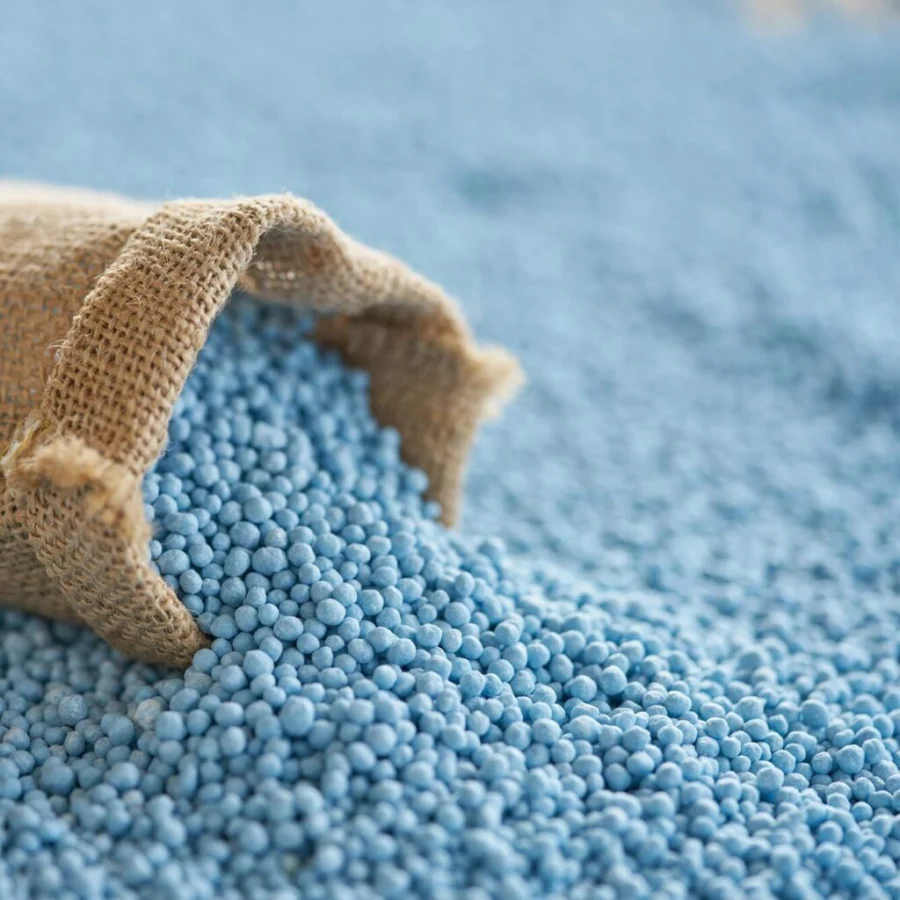
Potassium sulfate — also written potassium sulphate, and traded as sulphate of potash or SOP — supplies potassium without chloride, and adds sulphur. Those two characteristics decide almost every purchasing decision in its favour.
Chloride sensitivity is real and crop-specific. Table grapes, avocado, tobacco, strawberry and several other high-value crops show reduced quality or visible damage where chloride accumulates. On saline sites, or where irrigation water already carries a chloride load, adding more through the fertilizer programme compounds an existing problem.
Where the crop tolerates chloride and the soil leaches freely, a cheaper chloride-bearing potassium source may be the better commercial decision. Where it does not, this is the product. Our comparison of potassium sources works through that decision in full.
Atmospheric sulphur deposition has fallen sharply across Europe and North America over the past three decades, and sulphur deficiency now occurs in situations where it once did not. Where a crop needs both potassium and sulphur, SOP covers both in one product.
Its solubility is roughly a third that of nitrate-based potassium sources. It dissolves perfectly well, but under-agitated material settles in the tank and dosing becomes uneven. Allow more water, more agitation and more time, particularly in cold conditions.
For potassium supplied alongside nitrogen during fruit fill, see NPK 11-8-34 + TE.
| Appearance | Pale granules or powder, free flowing |
|---|---|
| Solubility & handling | Soluble, though considerably less so than nitrate-based potassium sources. Allow adequate mixing time and agitation. |
| Packaging | Standard export formats — confirm available pack sizes when you enquire |
| Common crops | Table grapes, avocado, citrus, potato, tobacco, strawberry, onion, tomato |
Applied through fertigation or as a soil application where potassium is needed without chloride, and where the crop also benefits from sulphur.
General guidance only. Application rates depend on crop, growth stage, soil and water analysis and local regulations — always follow the product label and your own agronomic advice.
Yes. Potassium sulfate, potassium sulphate and sulphate of potash (SOP) are the same product — the spelling difference is American against British English.
Both supply potassium. Muriate of potash supplies chloride and costs less; SOP supplies sulphur, contains very little chloride and has a lower salt index. On chloride-sensitive or saline sites SOP is generally the safer choice.
It is a physical property of the salt. It dissolves perfectly well, but needs more water, more agitation and more time — plan the mixing accordingly.
Tell us the quantity, packaging and destination and we will come back with availability and pricing.
Contact Us on WhatsAppSend a written enquiryThe highest-analysis solid nitrogen fertilizer in common use, and the backbone of most nitrogen programmes worldwide.
Higher-purity urea for industrial use, where low biuret and tight moisture control matter more than nitrogen content.
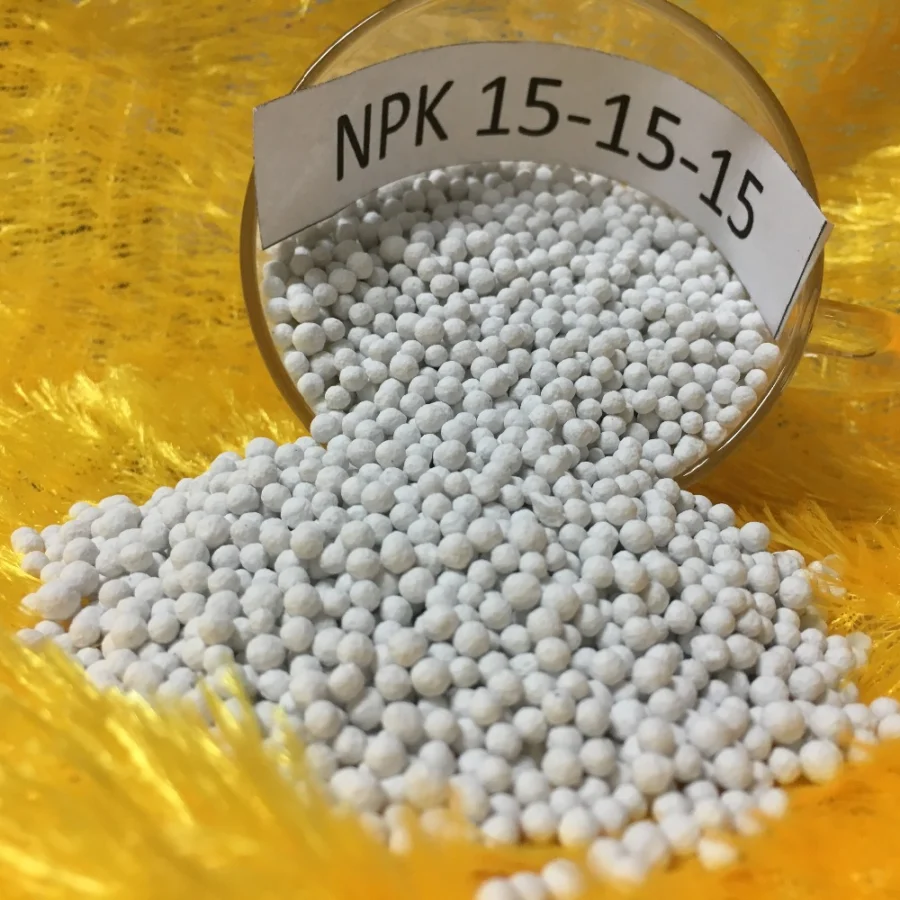
The classic balanced base fertilizer — one granule carrying all three major nutrients, applied at sowing across almost any crop.
Send your product, grade, quantity and destination. We will come back with availability, packaging options and a quotation.