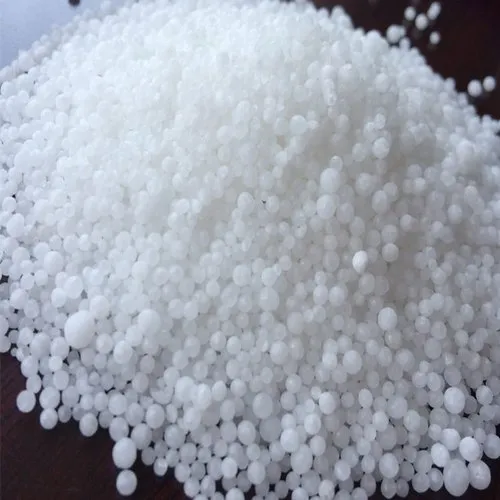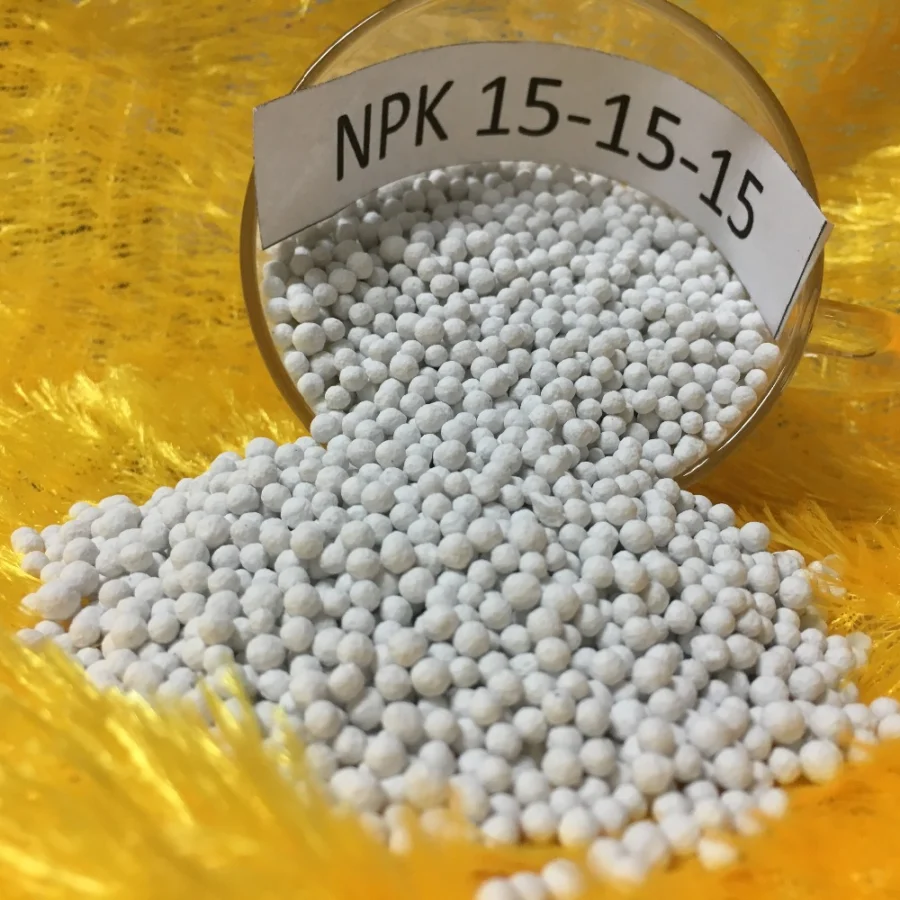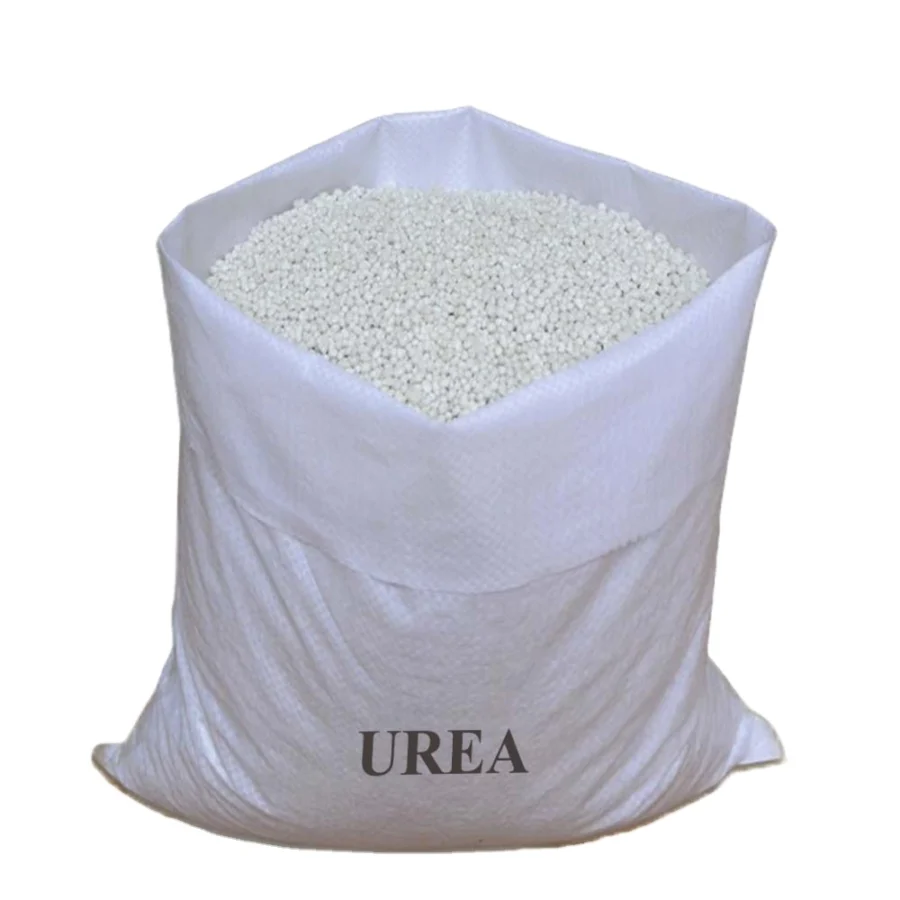
Agricultural Grade Urea 46%
- Granular or prilled · 46% N
The highest-analysis solid nitrogen fertilizer in common use, and the backbone of most nitrogen programmes worldwide.
Readily available calcium plus nitrate nitrogen — the standard tool against calcium-related fruit disorders in irrigated crops.
| Total nitrogen (N) | 15.5% |
|---|---|
| Nitric nitrogen (N-NO₃) | 14.4% |
| Ammoniacal nitrogen (N-NH₄) | 1.1% |
| Calcium oxide (CaO) | 26.5% |
| Calcium (Ca) | Approx. 19.0% |
| Solubility in water (20 °C) | Highly soluble |
Calcium is easy to underestimate because soils frequently contain plenty of it. The problem is rarely total soil calcium — it is getting calcium into the specific tissues that need it, at the moment they are forming.
Calcium travels in the transpiration stream and is not redistributed once it has been deposited. Fruit and young leaves transpire relatively little, so they receive relatively little calcium, and a shortfall during their formation cannot be corrected afterwards. That is the mechanism behind blossom end rot in tomatoes and peppers, bitter pit in apples and tipburn in lettuce.
Our article on calcium nutrition covers the mechanism and the common management errors in detail.
Concentrated calcium nitrate must be kept separate from concentrated phosphates and sulphates. Combine only at final dilution. This guide to avoiding blockages explains the two-tank system, and the fertigation guide covers solution design.
Where potassium is being pushed hard at fruit fill with NPK 11-8-34 + TE, calcium needs particular attention — the two compete for uptake.
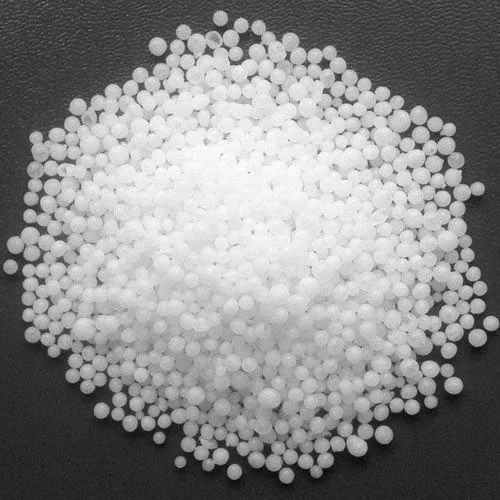
| Appearance | White prills or granules, hygroscopic |
|---|---|
| Solubility & handling | Highly soluble. Store sealed and dry — the product readily absorbs atmospheric moisture. |
| Packaging | Standard export formats — confirm available pack sizes when you enquire |
| Common crops | Tomato, pepper, apple, lettuce, melon, potato, table grapes, leafy greens |
Applied continuously through fertigation during fruit development rather than as an occasional corrective dose, because calcium moves with the transpiration stream and cannot be redistributed within the plant.
General guidance only. Application rates depend on crop, growth stage, soil and water analysis and local regulations — always follow the product label and your own agronomic advice.
Calcium moves in the xylem with the transpiration stream and is not redistributed once deposited. A tissue that formed without enough calcium cannot be fixed later, so supply has to be steady during fruit development.
It addresses the nutritional side. Blossom end rot is often driven as much by irregular irrigation and humidity swings, which restrict calcium movement to the fruit, so water management usually matters as much as the fertilizer.
Concentrated calcium reacts with concentrated phosphates and sulphates to form insoluble precipitates. Use tank A for calcium, tank B for phosphates and sulphates.
Tell us the quantity, packaging and destination and we will come back with availability and pricing.
Contact Us on WhatsAppSend a written enquiryThe highest-analysis solid nitrogen fertilizer in common use, and the backbone of most nitrogen programmes worldwide.
Higher-purity urea for industrial use, where low biuret and tight moisture control matter more than nitrogen content.
The classic balanced base fertilizer — one granule carrying all three major nutrients, applied at sowing across almost any crop.
Send your product, grade, quantity and destination. We will come back with availability, packaging options and a quotation.