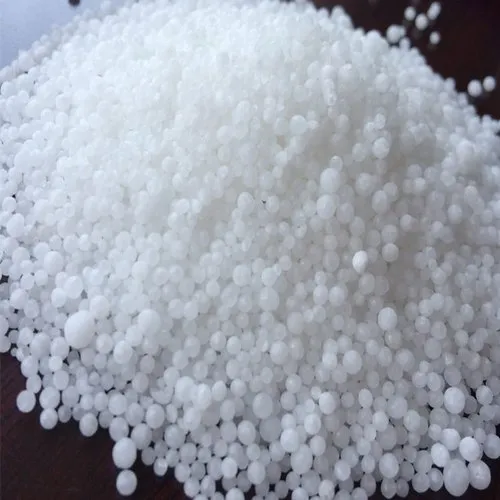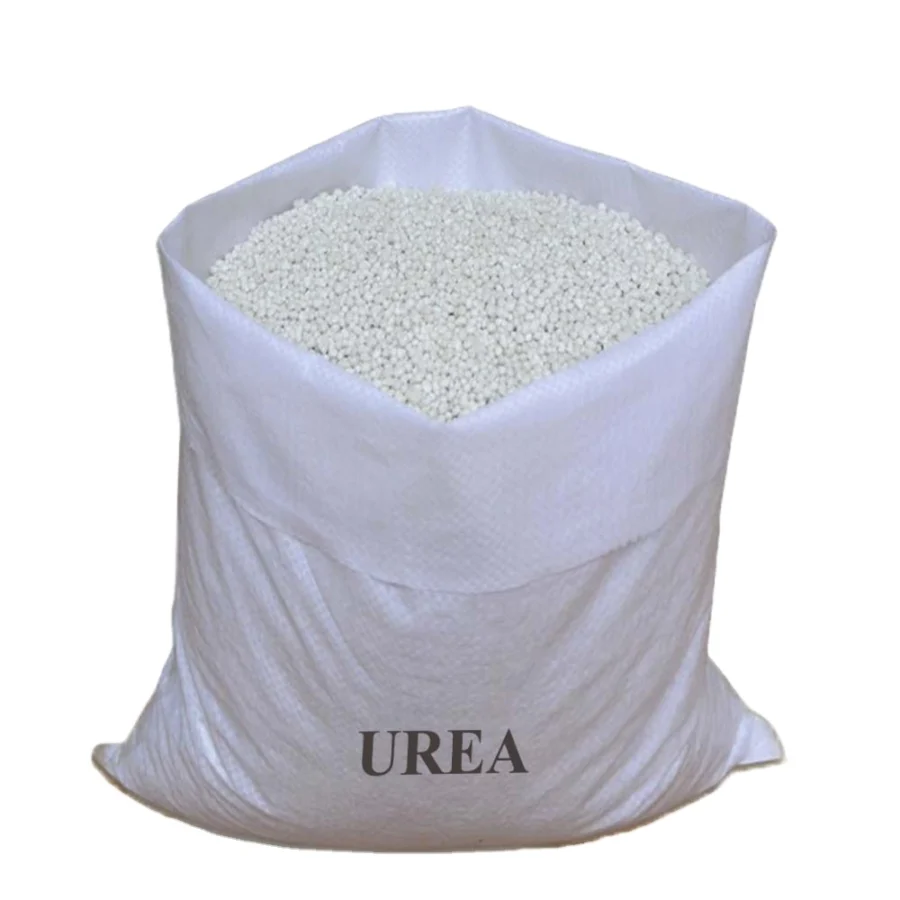
Agricultural Grade Urea 46%
- Granular or prilled · 46% N
The highest-analysis solid nitrogen fertilizer in common use, and the backbone of most nitrogen programmes worldwide.
A high-potassium finishing grade for fruit fill, when potassium demand peaks and extra nitrogen would soften the crop.
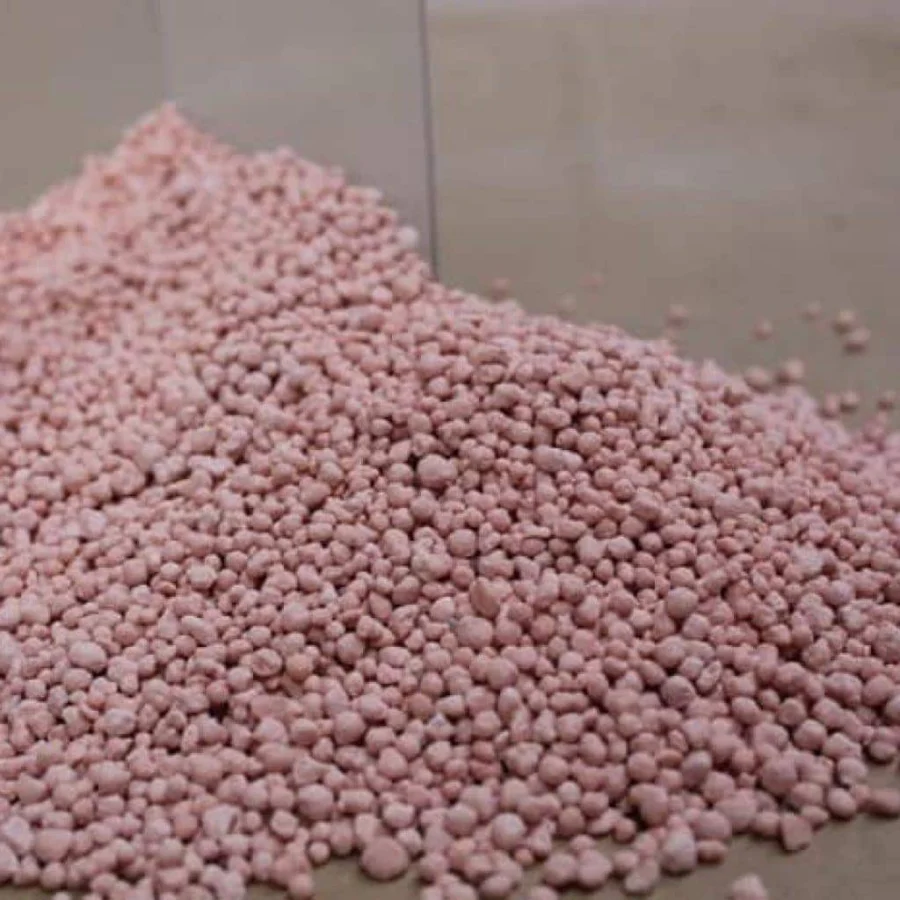
| Total nitrogen (N) | 11.0% |
|---|---|
| ) | 8.0% |
| Potassium oxide (K₂O) | 34.0% |
| Magnesium oxide (MgO) | Typically 2.0% |
| Trace elements, chelated (Fe, Mn, Zn, Cu, B, Mo) | Included |
| Insoluble matter | Low |
| Solubility in water (20 °C) | Fully soluble |
Fruit fill is the stage where potassium demand is highest and nitrogen demand is falling. A grade like 11-8-34 exists to match that.
Potassium drives sugar transport from leaves into fruit, regulates stomatal behaviour and water relations, and underpins the quality attributes buyers actually pay for — size, firmness, colour and shelf life. Demand roughly doubles once fruit begins filling.
At the same time, continuing to push nitrogen sustains vegetative growth that competes with the fruit for resources, delays maturity and tends to soften the crop.
This deserves emphasis, because it catches people out every season. Potassium and calcium compete for uptake. A programme that increases potassium sharply at fruit set — exactly what this grade is for — can induce calcium deficiency in the fruit at the moment calcium matters most.
The result is blossom end rot in tomatoes and peppers, or bitter pit in apples. Keep calcium nitrate running continuously through this stage, and read our article on calcium before you increase potassium.
For a milder shift that keeps more nitrogen in the programme, see NPK 23-5-15 + TE earlier in the season, or potassium sulfate where potassium is needed with no nitrogen at all. The fertigation guide covers building the solution from components.
| Appearance | Green granular soluble product, free flowing |
|---|---|
| Solubility & handling | Fully soluble with minimal residue. Dissolve completely before injection. |
| Packaging | Standard export formats — confirm available pack sizes when you enquire |
| Common crops | Tomato, pepper, melon, table grapes, strawberry, citrus, banana, potato |
Applied through fertigation from fruit set through fruit fill, when potassium requirement is at its highest and nitrogen is being tapered back.
General guidance only. Application rates depend on crop, growth stage, soil and water analysis and local regulations — always follow the product label and your own agronomic advice.
Generally at fruit set. Potassium drives sugar transport, water relations and fruit quality attributes such as size, firmness and colour, and demand roughly doubles once fruit begins filling.
Excess nitrogen late in the season pushes vegetative growth at the expense of fruit, delays maturity and can soften fruit, reducing shelf life.
No. Calcium must be supplied continuously and separately — and note that high potassium competes with calcium for uptake, so calcium needs attention at exactly the stage you are pushing potassium.
Tell us the quantity, packaging and destination and we will come back with availability and pricing.
Contact Us on WhatsAppSend a written enquiryThe highest-analysis solid nitrogen fertilizer in common use, and the backbone of most nitrogen programmes worldwide.
Higher-purity urea for industrial use, where low biuret and tight moisture control matter more than nitrogen content.
The classic balanced base fertilizer — one granule carrying all three major nutrients, applied at sowing across almost any crop.
Send your product, grade, quantity and destination. We will come back with availability, packaging options and a quotation.