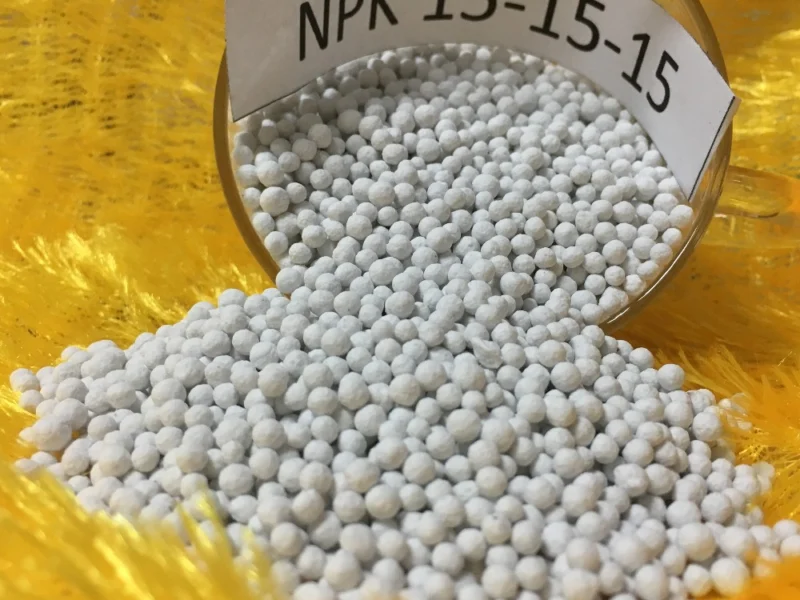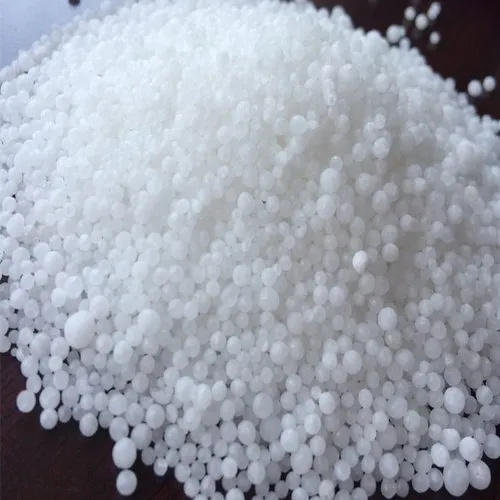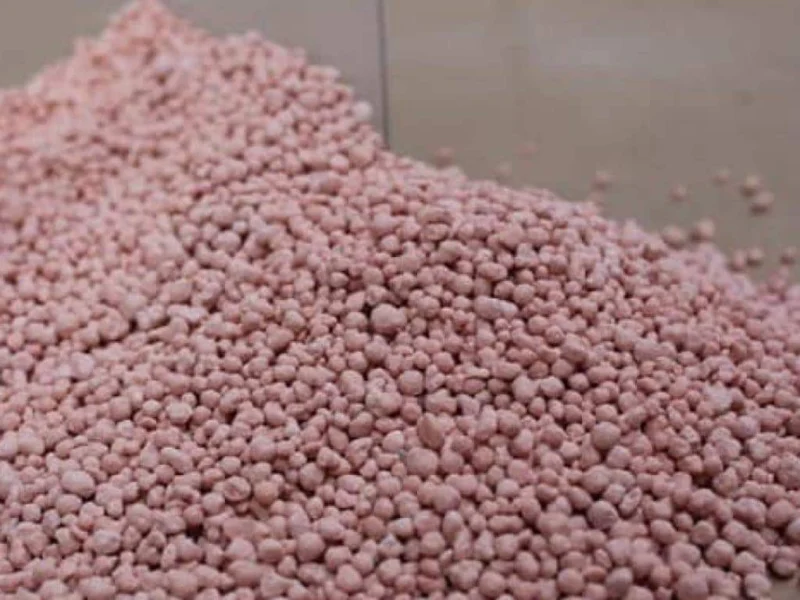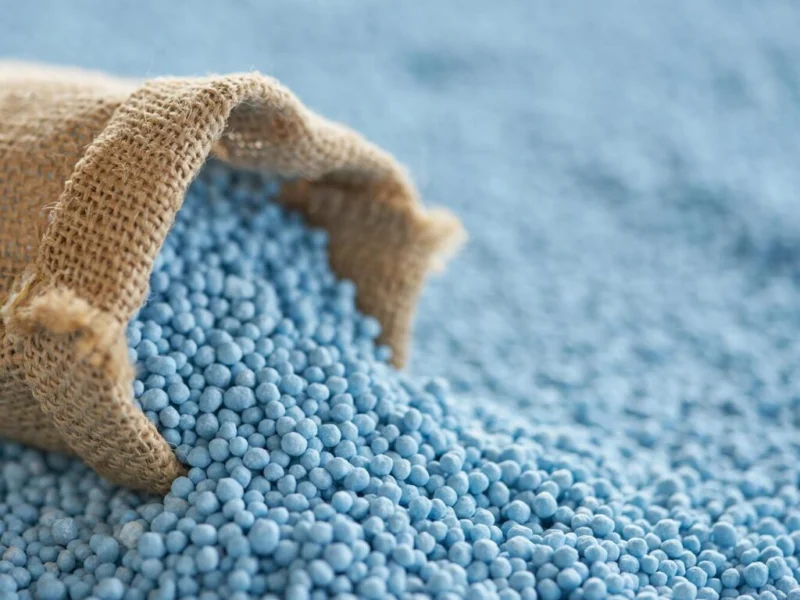
Potassium sulfate, also called sulphate of potash or SOP, contains 50% potash (K₂O, about 41.5% potassium) and 45% sulphur trioxide (about 18% sulphur), with chloride typically below 1.5%. It supplies potassium without chloride, adds sulphur, and has a lower salt index than muriate of potash. This guide explains what it is for, its advantages and how to use it.
What potassium sulfate is for
Potassium is essential for fruit size, sugar content, colour, firmness and water regulation. SOP’s purpose is to supply that potassium in situations where chloride would cause damage or where sulphur is also needed:
- Chloride-sensitive crops such as table grapes, avocado, citrus, strawberry, tobacco, potato and onion
- Saline soils or saline irrigation water, where extra chloride makes an existing problem worse
- Sulphur-deficient soils, now more common because atmospheric sulphur deposition has fallen
- High-value crops where quality drives price
Advantages of potassium sulfate
Chloride-free potassium
Chloride accumulates in leaves of sensitive crops and causes leaf burn, reduced quality and lower yields. SOP avoids adding it.
Adds sulphur
Sulphur is needed for protein formation and improves nitrogen use. In crops like onion, garlic and brassicas it also contributes to flavour. SOP covers potassium and sulphur in one product.
Lower salt index
Its salt index is lower than muriate of potash, so it is less likely to cause salt stress near roots and seeds.
Better quality in sensitive crops
Growers commonly see improved colour, sugar content, storage life and, in tobacco and potato, better burning and processing quality.
Contains no nitrogen
Useful late in the season when you want potassium without stimulating more leaf growth.
How to use potassium sulfate
1. Decide whether you need it
If the crop tolerates chloride and the soil leaches freely, a cheaper chloride-bearing potash can be the better commercial choice. Where the crop is sensitive or water is saline, SOP is the right product. Our comparison of potassium nitrate vs SOP vs MOP works through the decision.
2. Soil application
Broadcast and incorporate before planting, or band beside the row. On perennial crops, apply in the root zone at the start of the season and again before fruit fill. Base the rate on a soil or leaf analysis and local agronomic advice.
3. Fertigation: allow time to dissolve
SOP dissolves at roughly 111 g per litre at 20 °C, about a third the solubility of potassium nitrate. It dissolves well, but needs more water, more agitation and more time, especially in cold conditions. Under-mixed material settles and dosing becomes uneven.
4. Keep it away from concentrated calcium
Sulphate reacts with concentrated calcium to form gypsum, which blocks drippers. Keep SOP in the B tank, separate from calcium nitrate. Our guide to preventing dripper blockages explains the two-tank system.
5. Time it for fruit fill
Potassium demand peaks during fruit fill. SOP can supply that potassium alone or alongside NPK 11-8-34 + TE. Remember to keep calcium supply up as potassium increases, as explained in calcium in crops.
6. Foliar application
Fine-grade SOP can be sprayed at low concentration (commonly 1–2%) to support fruit sizing and colour. Test on a small area first.
Potassium sources compared
| Source | Chloride | Extra nutrient | Best for |
|---|---|---|---|
| Potassium sulfate (SOP) | Very low | Sulphur | Sensitive crops, saline conditions |
| NPK 11-8-34 + TE | Low | N, P, Mg, trace elements | Fertigated fruit fill |
| Muriate of potash (MOP) | High | None | Chloride-tolerant crops, low cost |
To order potassium sulfate in powder or granular form, contact NutriFer Agro. See our international shipping information for packing and delivery.
Need this product, or advice on which grade fits?
Send us the crop, your water analysis and the quantity you need. We will reply with the options that actually apply to your situation.