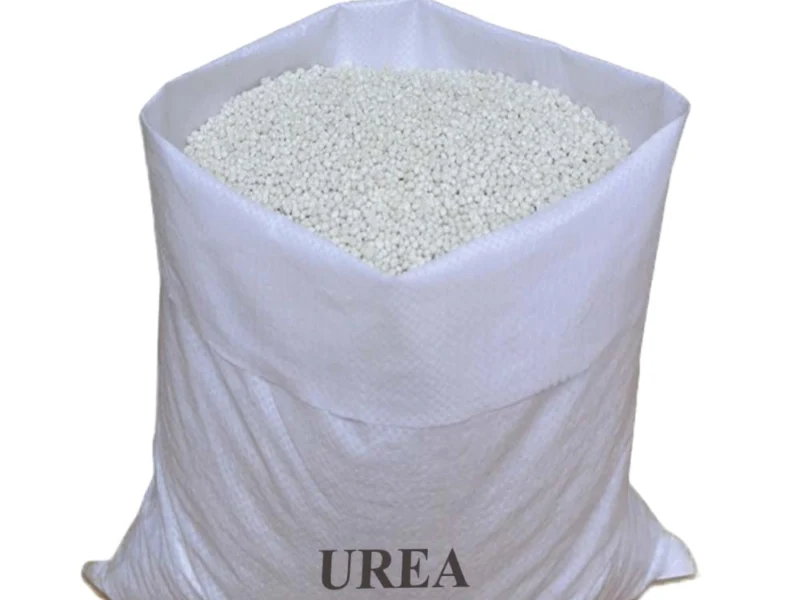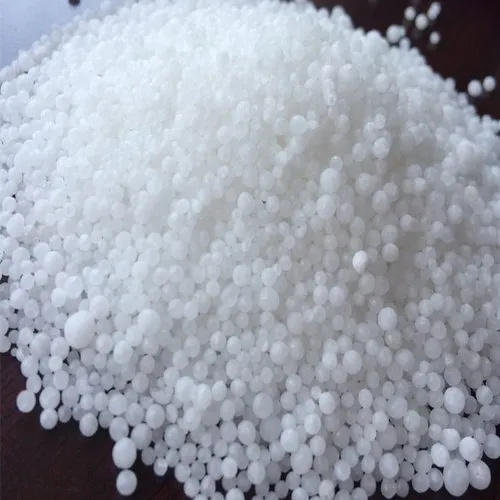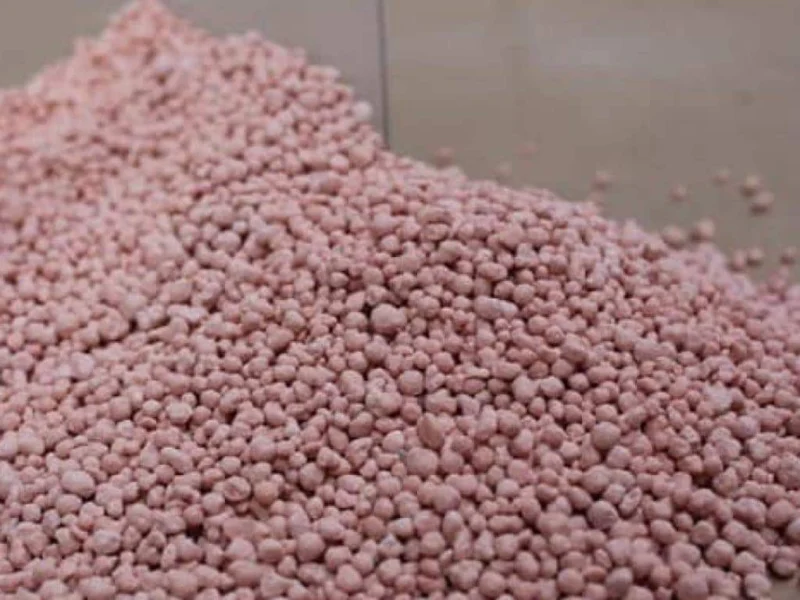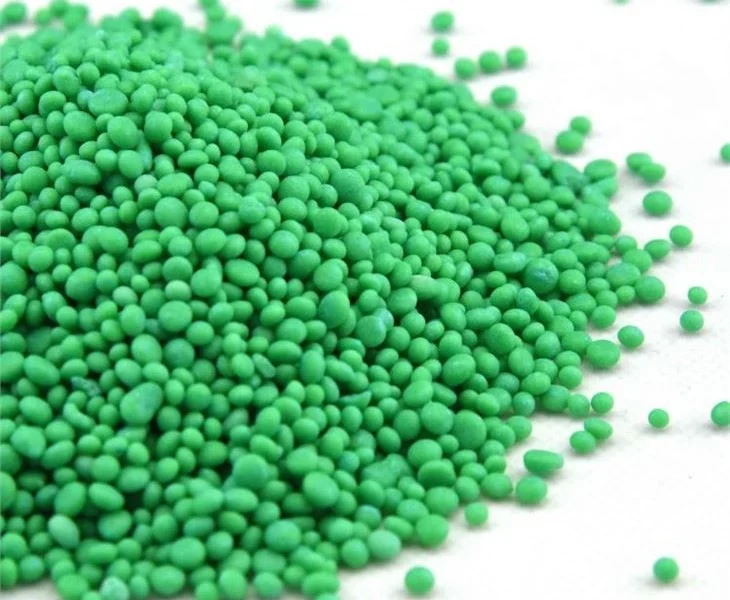
NPK 23-5-15 + TE contains 23% nitrogen, 5% phosphate (P₂O₅), 15% potash (K₂O), sulphur and trace elements. It pushes nitrogen hard and keeps phosphorus deliberately low. That makes it the right tool for one job: building leaf area quickly on soils that already hold enough phosphorus. It is available in granular and soluble forms.
What NPK 23-5-15 is for
Its purpose is rapid vegetative growth. Nitrogen builds leaves and shoots; potassium keeps water regulation and stem strength in step; trace elements prevent hidden deficiencies during fast growth. Typical uses:
- Maize and cereals during rapid vegetative growth
- Leafy vegetables and brassicas, where the leaf is the product
- Sugarcane and banana in their growth phase
- Pasture and turf under regular cutting or grazing
- Fertigated vegetables during establishment (soluble form)
Advantages of NPK 23-5-15 + TE
Puts money where the crop needs it
Decades of routine phosphate use have left many intensively farmed soils rich in phosphorus. Paying for more phosphorus the crop cannot use wastes money. A low-P grade spends that budget on nitrogen and potassium instead.
Protects zinc and iron availability
Excess phosphorus reduces the availability of zinc and iron. Keeping phosphate low helps avoid induced micronutrient deficiencies, including iron chlorosis.
Less environmental risk
Phosphorus in runoff is a major cause of water pollution. Applying only what the soil needs reduces that risk.
Fast canopy development
A ratio of about 4.6 : 1 : 3 drives vigorous leaf growth while keeping potassium supply adequate.
Sulphur and trace elements included
Sulphur supports protein formation and nitrogen use efficiency; trace elements cover the micronutrient demand of fast growth.
How to use NPK 23-5-15
1. Confirm phosphorus status with a soil test
This is not a grade to choose by intuition. If the soil test shows phosphorus is adequate or high, 23-5-15 is a strong choice. If phosphorus is low, use a balanced grade such as NPK 15-15-15 instead.
2. Apply during establishment and canopy growth
Apply from early establishment through the main vegetative phase, when nitrogen demand is highest. Split the total into two or more applications for better efficiency.
3. Granular application
Broadcast evenly or band beside the row, then incorporate or irrigate to move nitrogen into the root zone and reduce volatilisation losses. Calibrate the spreader for the product.
4. Soluble application through fertigation
Specify the soluble form when ordering. Dissolve fully before injection, dose to a target EC, and keep it in a separate tank from concentrated calcium nitrate because it contains phosphate and sulphate. The fertigation guide explains solution design.
5. On pasture and turf
Apply after grazing or cutting, when regrowth begins, and avoid spreading onto saturated or frozen ground.
6. Change grade at fruiting
For fruiting crops, move to NPK 11-8-34 + TE as fruit sets, when potassium demand overtakes nitrogen.
Comparing nitrogen-led options
| Product | Use it when |
|---|---|
| NPK 23-5-15 + TE | You need nitrogen and potassium together, and soil phosphorus is adequate |
| Agricultural urea | You need straight nitrogen at the lowest cost |
| NPK 15-15-15 | Soil phosphorus is low and you need a balanced base dressing |
For a refresher on reading the numbers, see NPK ratios explained. To order, contact NutriFer Agro and tell us whether you need granular or soluble.
Need this product, or advice on which grade fits?
Send us the crop, your water analysis and the quantity you need. We will reply with the options that actually apply to your situation.