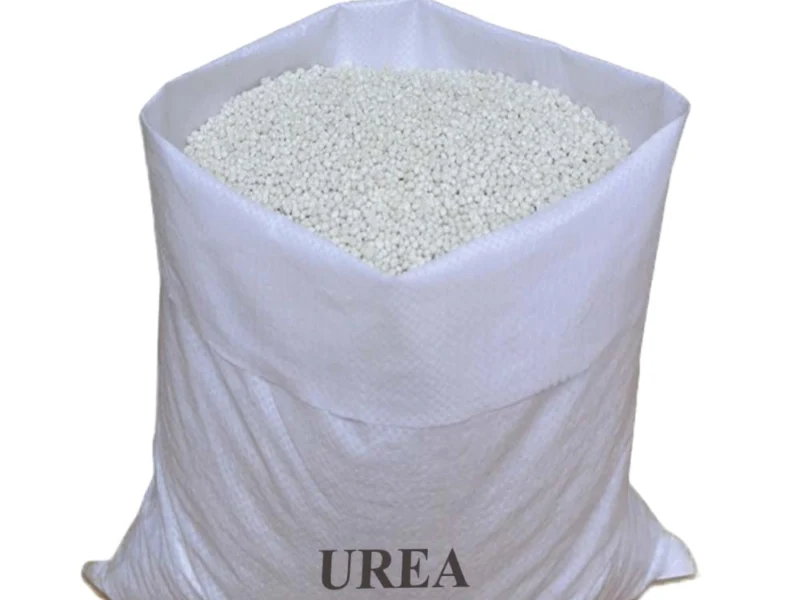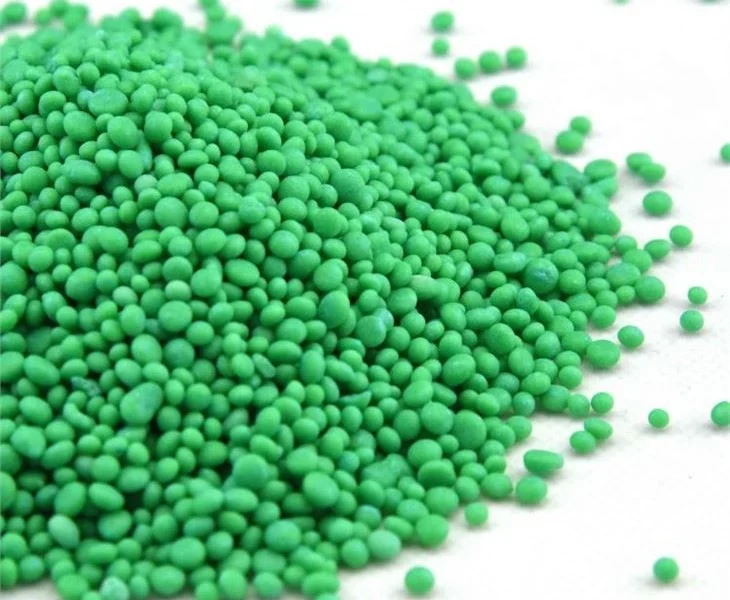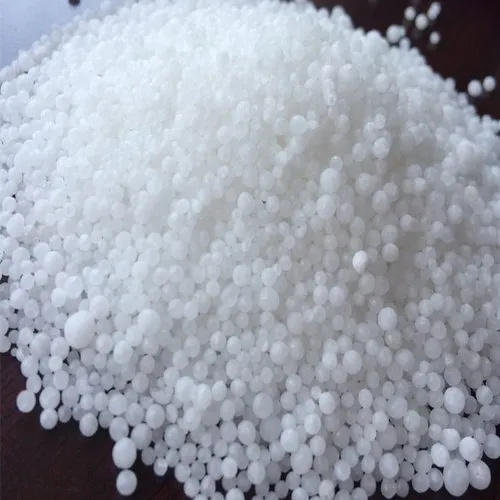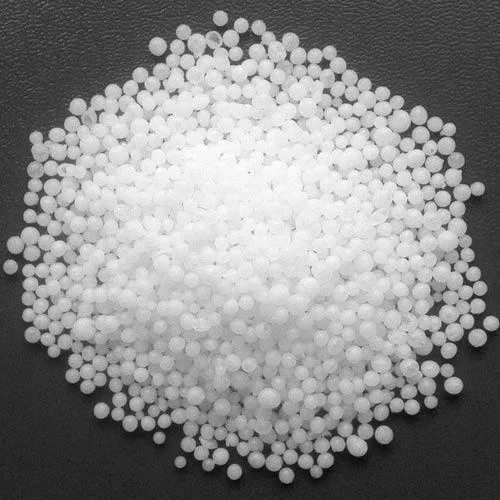
Calcium nitrate is a highly soluble fertilizer supplying 15.5% nitrogen (almost all as nitrate) and 26.5% calcium oxide, equal to about 19% calcium. It is the standard tool for preventing calcium-related fruit disorders in irrigated crops. This guide explains what it is for, why it works, and how to apply it correctly.
What calcium nitrate is for
Calcium builds cell walls and membranes. Firm fruit, strong skins and healthy growing tips all depend on it. The difficulty is that calcium travels only in the transpiration stream (the water a plant pulls up and loses through its leaves) and cannot be moved from old tissue to new. Fruit and young leaves transpire little, so they receive little calcium. A shortfall while they are forming cannot be fixed later.
That is the cause of several costly disorders:
- Blossom end rot in tomato and pepper
- Bitter pit in apple
- Tipburn in lettuce and leafy greens
- Poor firmness and short shelf life in many fruits
Calcium nitrate’s purpose is to keep a steady supply of available calcium in the root zone so the plant can take it up whenever it moves water. Our article on calcium in crops explains why these disorders are rarely a simple soil shortage.
Typical crops: tomato, pepper, apple, lettuce, melon, potato, table grapes and leafy greens.
Advantages of calcium nitrate
Calcium that is immediately available
Unlike lime or gypsum, calcium nitrate dissolves fully and its calcium is available to roots straight away.
Nitrate nitrogen, not ammonium
Around 14.4% of the nitrogen is nitrate. Ammonium competes with calcium for uptake; nitrate does not. Nitrate also supports uptake of calcium, magnesium and potassium.
Supports fruit quality and shelf life
Steady calcium supply gives firmer fruit, stronger skins and better storage.
Highly soluble
Ideal for drip, hydroponic and sprinkler systems.
Two nutrients in one
It covers part of the crop’s nitrogen requirement while supplying calcium, which simplifies the programme.
How to use calcium nitrate
1. Apply continuously, not occasionally
Because calcium cannot be redistributed, a single corrective dose does little. Include calcium nitrate in every fertigation cycle through fruit development.
2. Use a separate stock tank
This is the most important rule. Concentrated calcium nitrate reacts with concentrated phosphates and sulphates to form insoluble calcium phosphate and gypsum, which block filters and drippers. Put calcium nitrate (with iron chelate and potassium nitrate if used) in tank A, and phosphates and sulphates such as potassium sulfate or NPK 20-20-20 in tank B. They meet only at final dilution. See preventing dripper blockages.
3. Keep irrigation steady
Swings in water supply restrict calcium movement more than low soil calcium does. Avoid letting the root zone dry out and then flooding it.
4. Manage humidity under cover
Very high humidity reduces transpiration and therefore calcium delivery. Ventilation helps calcium reach the fruit.
5. Balance it with potassium
Potassium, magnesium and ammonium all compete with calcium. When you increase potassium at fruit fill with NPK 11-8-34 + TE, maintain or increase calcium too.
6. Foliar sprays for direct fruit protection
Because fruit receives little calcium through the roots, sprays aimed at the fruit can help, especially in apples against bitter pit. Use low concentrations (commonly 0.5–1%), apply in cool conditions, and test first.
7. Soil application
Calcium nitrate can be broadcast as a top-dressing for vegetables and fruit trees, followed by irrigation.
8. Store it dry
Calcium nitrate is strongly hygroscopic. Keep bags sealed and use opened bags quickly.
Building the full programme
Calcium nitrate is one part of a balanced solution. Our fertigation guide shows how to combine it with NPK grades, and NPK ratios explained covers the CaO-to-Ca conversion. To order, contact NutriFer Agro.
Need this product, or advice on which grade fits?
Send us the crop, your water analysis and the quantity you need. We will reply with the options that actually apply to your situation.