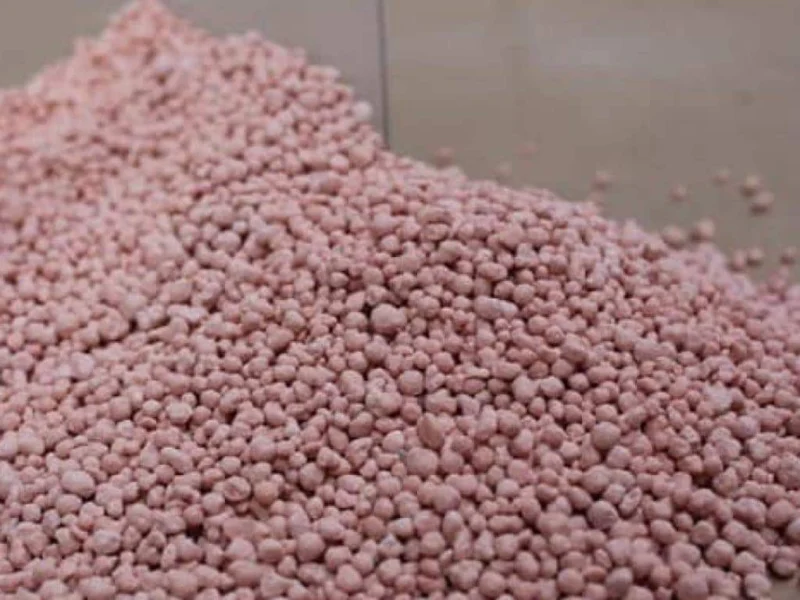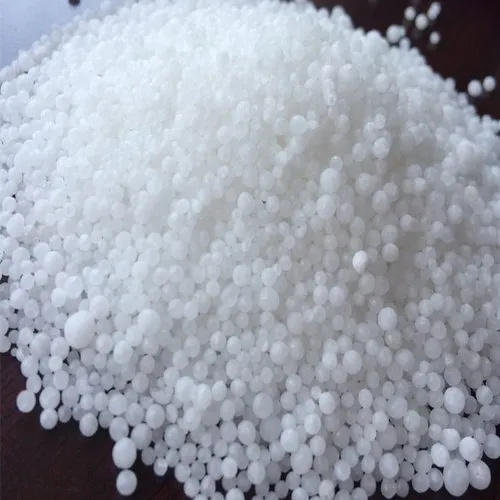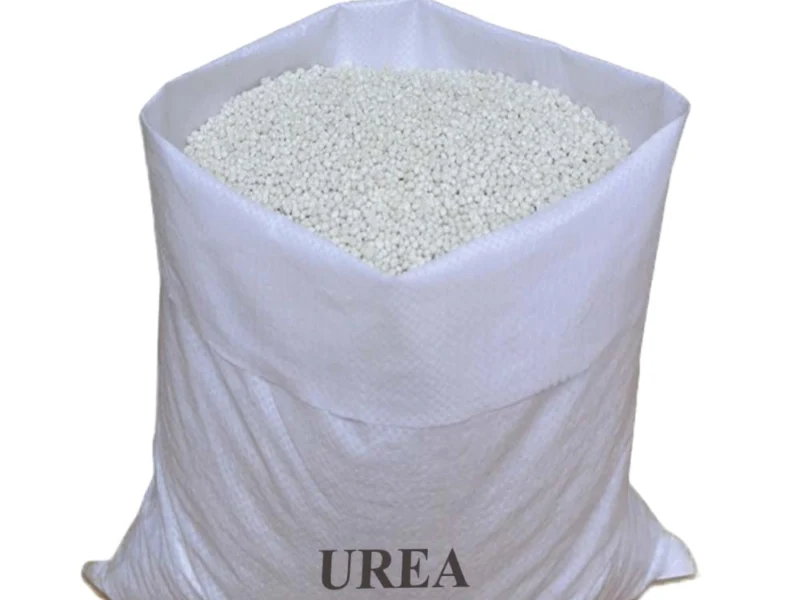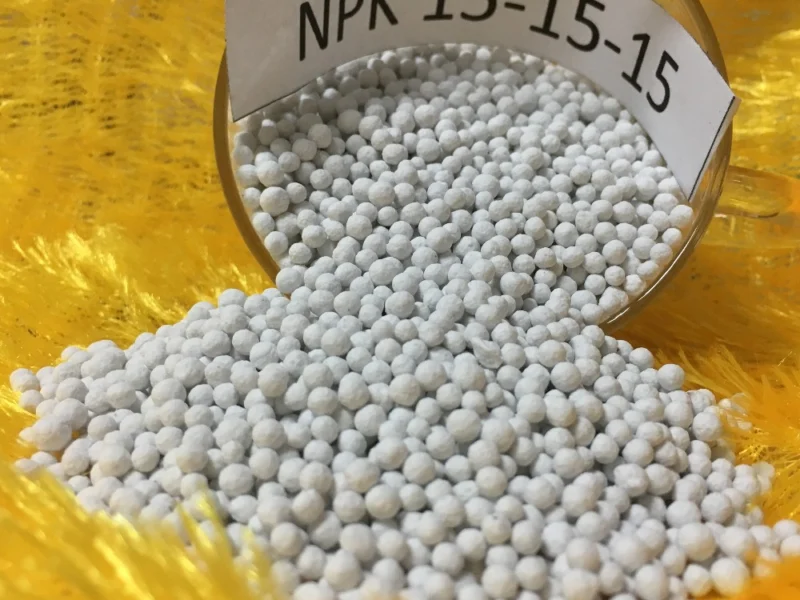
NPK 15-15-15 is the most widely used balanced compound fertilizer in the world. Every granule contains 15% nitrogen (N), 15% phosphate (P₂O₅) and 15% potash (K₂O). It is the classic base fertilizer: one product, one pass, all three major nutrients. This guide explains what it is for, why it is so widely used, and how to apply it correctly.
What NPK 15-15-15 is for
Its main purpose is to give a crop a balanced start. At sowing or planting, a crop needs:
- Nitrogen for early leaf and shoot growth
- Phosphorus for root development and energy transfer in young plants
- Potassium for water regulation, disease resistance and later yield quality
A 15-15-15 supplies all three in equal proportions. It suits situations where a soil test does not point strongly towards any one nutrient, or where a grower wants a dependable general-purpose base dressing.
Typical crops include cereals, maize, potatoes, vegetables, sunflower, pasture and orchards.
If you are unsure what the three numbers mean, read NPK ratios explained; two of the three are oxides, not elements.
Advantages of NPK 15-15-15
A true compound, not a blend
In a compound, the nutrients are chemically combined in each granule during manufacture. In a physical blend, three separate materials are mixed together and can separate during handling, shipping and spreading, so parts of the field receive different ratios. A compound spreads evenly every time.
One pass across the field
Applying N, P and K together saves fuel, labour and machinery time compared with spreading three straight fertilizers.
Two forms of nitrogen
The nitrogen is split between ammoniacal (about 7%) and nitrate (about 8%) forms. Nitrate is available immediately; ammonium is released over a longer period. Together they give both a quick start and staying power.
Often supplies sulphur
Many 15-15-15 grades contain sulphur, which is increasingly valuable now that atmospheric deposition has fallen.
Survives long-distance shipping
Hard, uniform granules withstand multiple handling points without breaking down, which matters for importers and distributors.
How to apply NPK 15-15-15
1. Test the soil first
A soil test tells you whether a balanced ratio is right. If phosphorus is already high, a low-phosphate grade such as NPK 23-5-15 + TE will usually give a better return.
2. Apply as a base dressing
Apply before or at sowing or planting. Broadcast evenly and incorporate into the topsoil, or place in bands beside (not in contact with) the seed row. Banding puts phosphorus close to young roots, which is helpful on cold or phosphorus-fixing soils.
3. Calibrate the spreader
Granule size (typically 2–4 mm) and hardness determine spreading width. Calibrate for the specific product to avoid striping.
4. Calculate the rate from the nutrient you need most
Each 100 kg of 15-15-15 supplies 15 kg each of N, P₂O₅ and K₂O. Base the rate on the nutrient requirement from your soil test and agronomist, rather than on a fixed bag count.
5. Top-dress nitrogen during the season
A balanced base dressing rarely meets a crop’s full nitrogen demand. Most programmes follow it with straight nitrogen once the crop is growing actively, usually agricultural urea.
6. Add potassium for fruiting crops
Potassium demand rises steeply during fruit fill while nitrogen demand falls. For that stage, switch to a high-potassium grade such as NPK 11-8-34 + TE or potassium sulfate.
7. Do not use it in drip systems
15-15-15 is a granular product for soil application. For fertigation, use a fully soluble grade such as NPK 20-20-20 + TE.
Storage and handling
Store bags sealed, stacked on pallets, in a dry, covered area. Moisture causes caking and dust. Our guide to fertilizer packaging and container loading explains bag types and palletisation.
What to check when you buy
- Guaranteed N, P₂O₅ and K₂O content
- Split between ammoniacal and nitrate nitrogen
- Granule size range and crushing strength
- Sulphur content, if any
- Whether the product is a compound or a blend
For the questions that reveal a reliable supplier, see how to evaluate a fertilizer supplier. To order, contact NutriFer Agro with your quantity and destination.
Need this product, or advice on which grade fits?
Send us the crop, your water analysis and the quantity you need. We will reply with the options that actually apply to your situation.