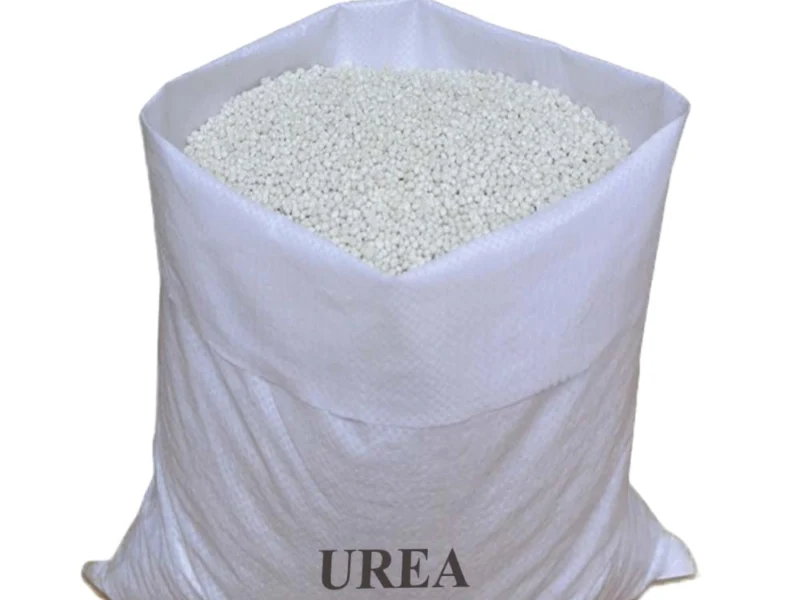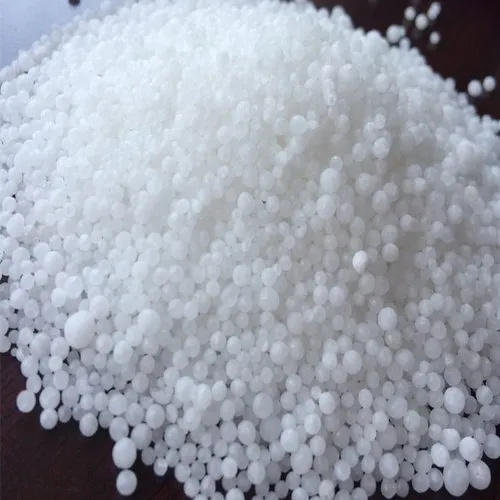
Technical grade urea is chemically the same as agricultural urea. Both contain 46% nitrogen. The difference is what has been kept out: technical grade is made to a much tighter limit on biuret, moisture, ash, free ammonia and metals. Those impurities are irrelevant in a field, but in an industrial reactor they change how a process behaves and the quality of what comes out.
What technical grade urea is used for
Its purpose is to act as a clean, consistent raw material for industry. The main uses are:
- Urea-formaldehyde (UF) resins for particleboard, MDF and plywood
- Melamine-formaldehyde resins for laminates, worktops and coatings
- Melamine production, where urea is the main feedstock
- Adhesives and glues for wood and paper products
- Cosmetics and personal care, where urea is used as a moisturising agent
- Pharmaceutical intermediates and laboratory reagents
- Industrial NOx reduction in certain flue gas treatment systems
- Animal feed and other specialised uses, subject to local regulation and specification
Technical grade urea is not intended for field application. For crops, agricultural grade is the correct and more economical product.
Advantages of technical grade urea
Low biuret (0.6% maximum)
Biuret forms when urea is overheated during manufacture. In resin production it affects reaction behaviour and the properties of the finished resin. Keeping it low gives predictable, repeatable batches.
Tight moisture control (0.3% maximum)
Water upsets the formulation of resins and other reactions. Low moisture means accurate dosing by weight.
Low ash, free ammonia and iron
Ash is limited to 0.01%, free ammonia to 0.015% and iron to 5 ppm. Metals can discolour products and interfere with catalysts; ash leaves residues.
Uncoated
Agricultural urea is often treated with an anti-caking agent. Technical grade is supplied uncoated, so nothing extra enters your process.
How to use and handle technical grade urea
1. Match the specification to your process
Before ordering, compare the supplier’s specification sheet with the limits your quality system requires. Pay particular attention to biuret, moisture and any metal limits. Our page on quality and specifications explains what each figure means.
2. Test incoming batches
Request a certificate of analysis with each shipment and check key parameters on arrival. A short in-house test of a new batch in your own process is the most reliable confirmation.
3. Store it genuinely dry
Because it is uncoated, technical urea cakes more readily than agricultural material. Store it sealed, off the floor, in a dry, ventilated warehouse away from heat and direct sun. Rotate stock on a first-in, first-out basis.
4. Dissolve with care
Urea dissolves quickly but absorbs heat as it does so, cooling the solution. In processes that depend on temperature, allow for this when preparing solutions.
5. Follow safe handling practice
Urea has low toxicity, but use dust control, eye protection and gloves when handling large quantities, and keep it away from strong oxidisers and hypochlorites. Always follow the safety data sheet supplied with the product.
Technical vs agricultural urea at a glance
| Parameter | Technical grade | Agricultural grade |
|---|---|---|
| Nitrogen | 46.0% min | 46.0% min |
| Biuret | 0.6% max | 1.0% max |
| Moisture | 0.3% max | 0.5% max |
| Coating | Uncoated | Usually anti-caking treated |
| Main use | Industry | Crops |
Buying technical grade urea
Packaging and logistics matter as much as chemistry: moisture picked up in transit can push a compliant product out of specification. Our article on packaging and container loading covers bag types and moisture protection, and the wholesale buying guide explains incoterms, documents and payment terms.
Tell us the process you are supplying and the specification you need, and we will confirm whether we can meet it before quoting. Contact NutriFer Agro.
Need this product, or advice on which grade fits?
Send us the crop, your water analysis and the quantity you need. We will reply with the options that actually apply to your situation.