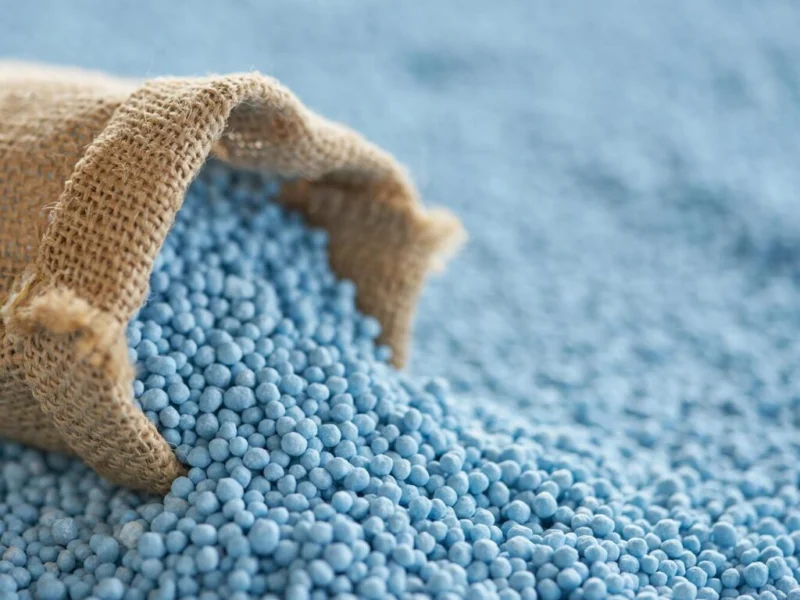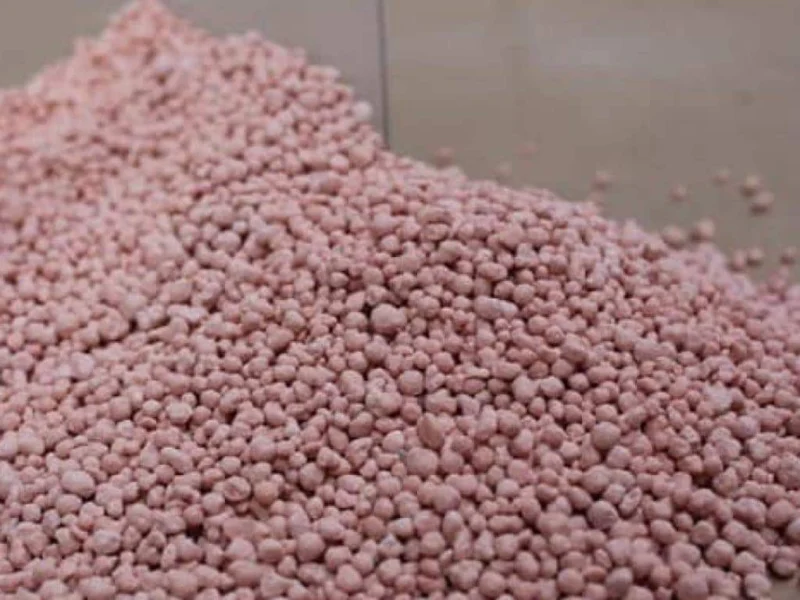
NPK 11-8-34 + TE is a fully water-soluble, high-potassium fertilizer with 11% nitrogen, 8% phosphate (P₂O₅), 34% potash (K₂O), around 2% magnesium oxide and chelated trace elements. It is a finishing grade, built for the stage when fruit is filling, potassium demand is at its peak and extra nitrogen would do more harm than good.
What NPK 11-8-34 is for
From fruit set onwards, a crop’s needs change. Potassium demand can roughly double, because potassium:
- Moves sugars from leaves into the fruit
- Regulates water movement and stomatal behaviour
- Drives the quality characteristics buyers pay for: size, firmness, colour, sugar content and shelf life
At the same time, continuing to push nitrogen keeps the plant growing leaves, which compete with the fruit, delay ripening and soften the crop. 11-8-34 matches this shift: high potassium, moderate nitrogen.
Typical crops: tomato, pepper, melon, table grapes, strawberry, citrus, banana and potato.
Advantages of NPK 11-8-34 + TE
Matches the crop’s real demand at fruit fill
Instead of a balanced ratio the crop no longer needs, it delivers mostly potassium, with just enough nitrogen and phosphorus to keep the plant working.
Better fruit quality
Adequate potassium during fruit fill improves sizing, colour development, Brix and firmness, which helps both yield and market price.
Magnesium and trace elements included
Magnesium supports chlorophyll during a demanding stage, and chelated micronutrients help prevent late-season deficiencies.
Fully soluble
Low insoluble matter protects filters and drippers in fertigation systems.
Simpler than mixing straights
One product replaces several separate potassium, nitrogen and phosphate sources for this stage.
How to use NPK 11-8-34
1. Time the switch
Move from a balanced or nitrogen-rich grade such as NPK 20-20-20 or NPK 23-5-15 to 11-8-34 at first fruit set, and continue through fruit fill. Many growers make the change gradually over one or two weeks.
2. Dissolve fully and inject
Dissolve completely in the stock tank with agitation before injection. Dose to a target EC for your crop and stage, and monitor drainage EC and pH.
3. Keep calcium running – this is essential
Potassium and calcium compete for uptake. Sharply increasing potassium at fruit set can induce calcium deficiency in the fruit just when calcium matters most, causing blossom end rot in tomato and pepper or bitter pit in apple. Keep calcium nitrate going continuously through this stage. Read calcium in crops before you increase potassium.
4. Use separate stock tanks
Because 11-8-34 contains phosphate and the product supplies magnesium, keep it in a different tank from concentrated calcium nitrate. Our guide to preventing dripper blockages explains the two-tank system.
5. Foliar use
Where root uptake is limited, a light foliar application at low concentration can supplement fertigation. Test on a small area first and avoid spraying in strong sun.
6. Watch for chloride and salinity
Where water is saline or the crop is chloride-sensitive, check that the overall programme does not push EC too high. Where potassium is needed with no nitrogen at all, potassium sulfate is the alternative. Our comparison of potassium sources covers the trade-offs.
Where 11-8-34 fits in a season
| Stage | Typical grade |
|---|---|
| Establishment and canopy growth | NPK 23-5-15 + TE or NPK 20-20-20 + TE |
| Flowering and fruit set | Transition to NPK 11-8-34 + TE |
| Fruit fill and ripening | NPK 11-8-34 + TE, with calcium nitrate throughout |
For building a full solution from components, see the fertigation guide. To order, contact NutriFer Agro.
Need this product, or advice on which grade fits?
Send us the crop, your water analysis and the quantity you need. We will reply with the options that actually apply to your situation.