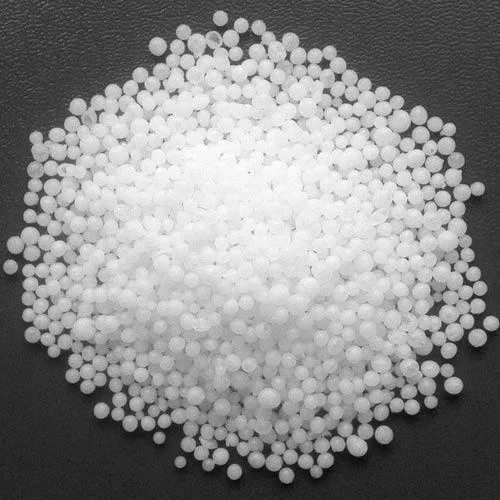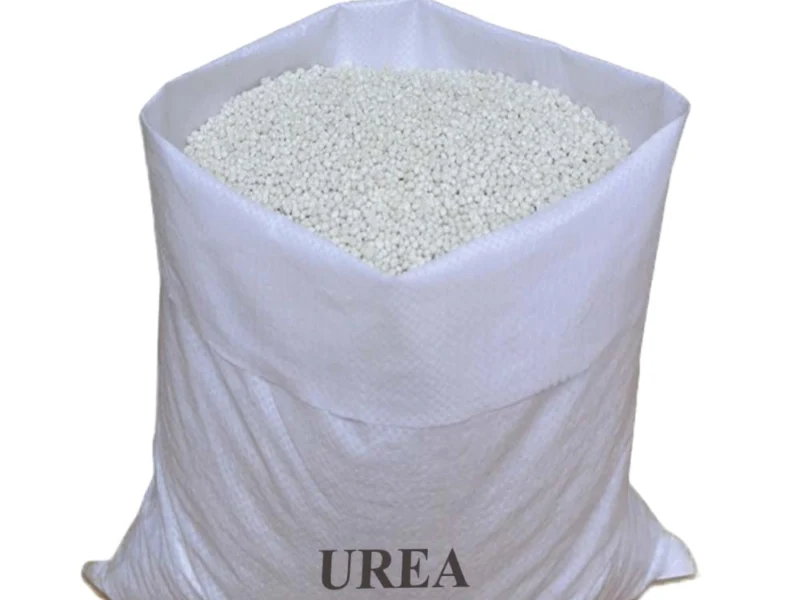
Agricultural grade urea is the most widely used solid nitrogen fertilizer in the world. It contains 46% nitrogen, which is more than any other solid fertilizer, and that single number explains most of its popularity: it is the cheapest way to move nitrogen from a factory to a field. This guide explains what urea is for, what advantages it offers over other nitrogen sources, and how to apply it so the nitrogen ends up in your crop rather than in the air.
What agricultural urea is for
Nitrogen is the nutrient crops need in the largest quantity. It is a building block of chlorophyll, proteins and enzymes, and it drives leaf growth, tillering and yield. Urea’s purpose is simple: to supply that nitrogen in the most concentrated, economical form available.
It is used across almost every farming system:
- Cereals and maize as a top-dressing during tillering and stem extension
- Rice, where it is the dominant nitrogen source worldwide
- Sugarcane and cotton in split applications through the growing season
- Vegetables, dissolved and applied through fertigation
- Pasture, to lift grass growth after grazing or cutting
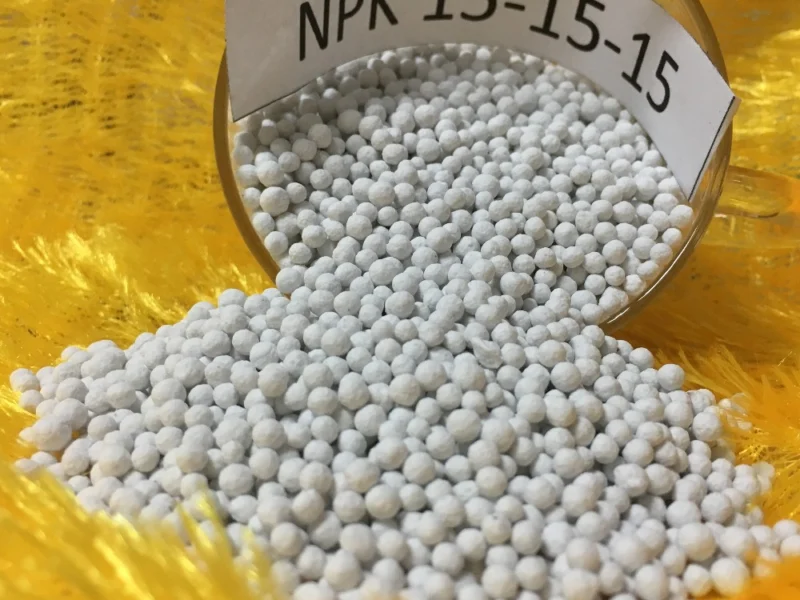
Most programmes use urea as the nitrogen top-up that follows a base dressing. A common pattern is NPK 15-15-15 at sowing, followed by urea once the crop is growing actively.
Advantages of urea
Highest nitrogen content of any solid fertilizer
At 46% N, one tonne of urea delivers 460 kg of nitrogen. Ammonium nitrate delivers around 340 kg and ammonium sulfate around 210 kg. That difference flows straight through to freight, storage, handling and spreading costs. On an international order, a lower-analysis source means shipping far more material for the same nitrogen delivered.
Lowest cost per kilogram of nitrogen
Because of that concentration, urea is usually the cheapest nitrogen per kilogram of nutrient. Our guide to reading NPK ratios shows how to compare products on cost per unit of nutrient rather than price per tonne.
Versatile application
Urea can be broadcast, banded, dissolved for fertigation or sprayed on leaves. Few fertilizers work across all four methods.
Very high solubility
Roughly 1,080 g dissolves in a litre of water at 20 °C. It goes into solution quickly and leaves no residue, which makes it easy to use in irrigation systems.
Safe to store and transport
Urea is not classified as an oxidiser, so it avoids many of the storage and shipping restrictions that apply to ammonium nitrate.
How to use agricultural urea
1. Start with a nitrogen budget
Work out how much nitrogen the crop needs for its target yield, subtract what the soil and previous crop will supply, and the balance is what the fertilizer programme must provide. A local agronomist or soil test laboratory can give you crop-specific figures. Divide the nitrogen requirement by 0.46 to get the quantity of urea.
2. Split the applications
Apply nitrogen when the crop can use it. Two to four smaller applications timed to growth stages almost always outperform one large dose. Splitting reduces leaching after heavy rain and keeps the crop from running out of nitrogen late in the season.
3. Broadcast or band, then incorporate or irrigate
In the soil, urea converts to ammonium carbonate. If that happens on a warm, moist surface, part of the nitrogen can be lost as ammonia gas. To prevent this:
- Incorporate the urea into the soil, or
- Irrigate within a day or two of application, or apply just before reliable rain, or
- Use urea treated with a urease inhibitor where incorporation is not possible
Avoid spreading onto wet, warm, high-pH soils or crop residue and then leaving it on the surface.
4. Using urea in fertigation
Dissolve urea fully in clean water before injecting. Note that dissolving urea is strongly endothermic, so the tank water cools noticeably; allow time and agitation. Urea is compatible with most soluble fertilizers, including calcium nitrate. Our fertigation guide explains how to build a complete nutrient solution.
5. Using urea as a foliar spray
Urea is absorbed quickly through leaves, which makes it useful for a fast nitrogen boost. Use a low-biuret grade, because biuret damages leaves at concentrations soil application tolerates. Keep spray concentrations low (commonly 0.5–2% depending on crop), spray in cool conditions, and test on a small area first.
6. Store it correctly
Urea is hygroscopic: it absorbs moisture from the air. Keep bags sealed, off the floor and away from direct sun. Damp urea cakes, blocks spreaders and dissolves unevenly.
What to check when you buy urea
- Nitrogen: 46.0% minimum
- Biuret: 1.0% maximum for soil use; ask for low biuret for foliar use
- Moisture: 0.5% maximum
- Granule size: 2–4 mm granular is typical; match sizes if blending
- Anti-caking treatment for long sea voyages
Our page on product quality and specifications explains how to read a specification sheet, and how to evaluate a fertilizer supplier lists the questions worth asking before you order.
Urea compared with other nitrogen sources
| Product | Nitrogen | Best use |
|---|---|---|
| Agricultural urea | 46% | Lowest-cost nitrogen for broadacre and general use |
| Calcium nitrate | 15.5% + 26.5% CaO | Fertigation where calcium is also needed |
| NPK 23-5-15 + TE | 23% | Nitrogen with potassium for rapid canopy growth |
For industrial applications such as resins and adhesives, see technical grade urea instead.
Get a quotation
NutriFer Agro supplies granular and prilled agricultural urea for export. Contact us with your quantity and destination port, and read our international shipping information to understand how orders are packed and delivered.
Need this product, or advice on which grade fits?
Send us the crop, your water analysis and the quantity you need. We will reply with the options that actually apply to your situation.